Central Development
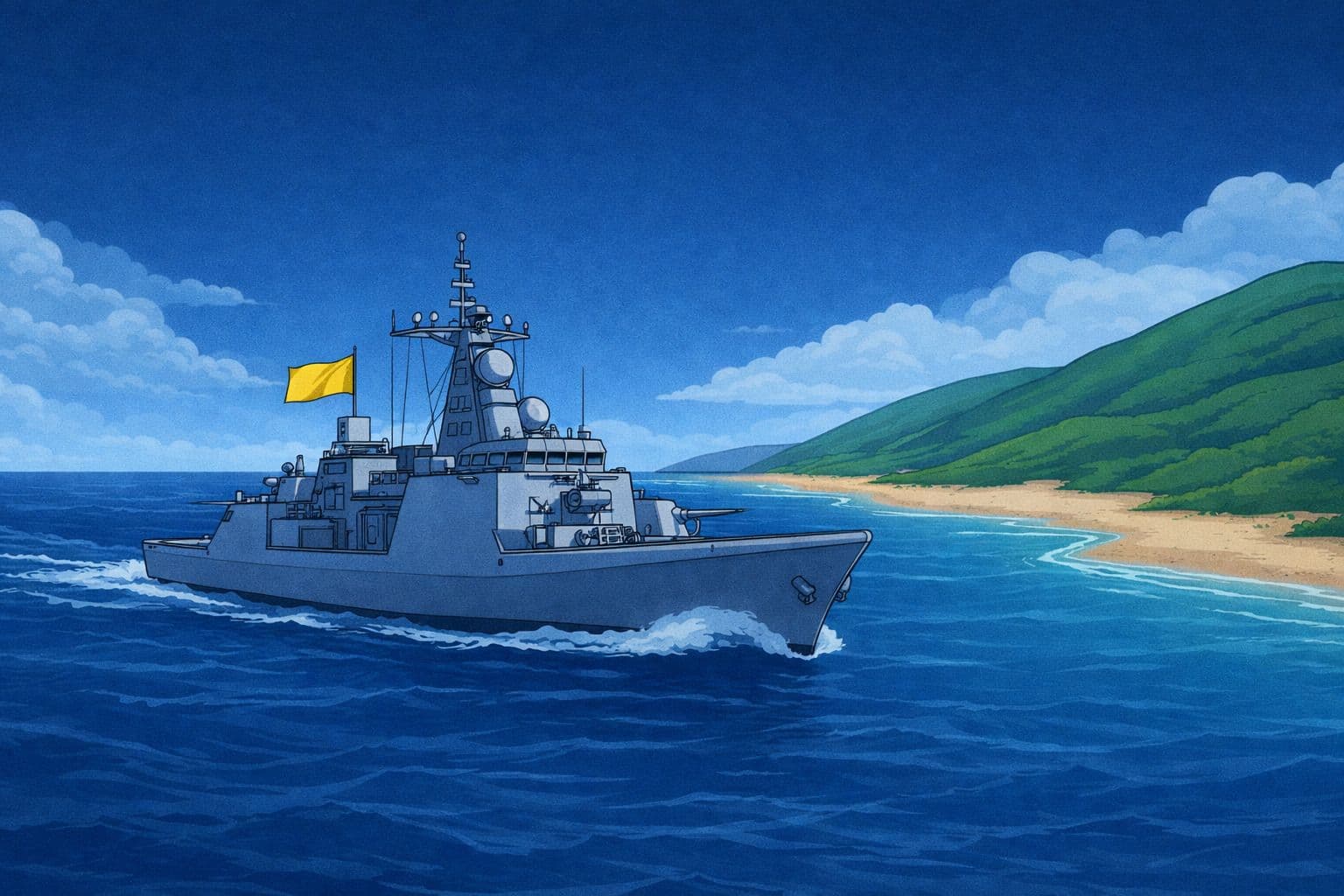
On April 12, 2026, ceasefire negotiations between the United States and Iran concluded without reaching an agreement, with US envoy Vance returning home empty-handed. Following the collapse of talks, former President Donald Trump announced a naval blockade targeting Iran, focusing on maritime routes near the Strait of Hormuz. Concurrently, reports emerged that Iran has lost track of some of its sea mines in the Strait, raising safety and security concerns for commercial shipping.
Why It Matters
The failure to secure a ceasefire leaves the risk of military escalation in the region elevated, particularly given the strategic importance of the Strait of Hormuz as a critical chokepoint for global energy shipments. Trump's naval blockade announcement signals a significant intensification of US pressure on Iran, potentially disrupting maritime traffic and heightening the chance of confrontation. The unaccounted-for Iranian mines add an unpredictable hazard that could inadvertently trigger incidents affecting regional stability and international commerce.
Perspective
Public reaction within Iran has been marked by disappointment and defiance, with some voices calling for renewed diplomatic efforts while others express skepticism about the prospects for peace. International observers note the blockade as a sharp escalation, with implications for energy markets and geopolitical alignments. Coverage highlights the fragility of ceasefire efforts amid broader tensions involving Israel and Lebanon, underscoring the complexity of achieving lasting de-escalation.
What to Watch
Key indicators to monitor include Iran’s response to the naval blockade, any incidents involving the lost mines in the Strait of Hormuz, and potential shifts in US diplomatic or military posture. Additionally, developments in related regional conflicts, such as tensions involving Israel and Lebanon, may influence the trajectory of hostilities. The international community’s reaction to the blockade and any moves toward renewed negotiations will also be critical to watch.