Central Development
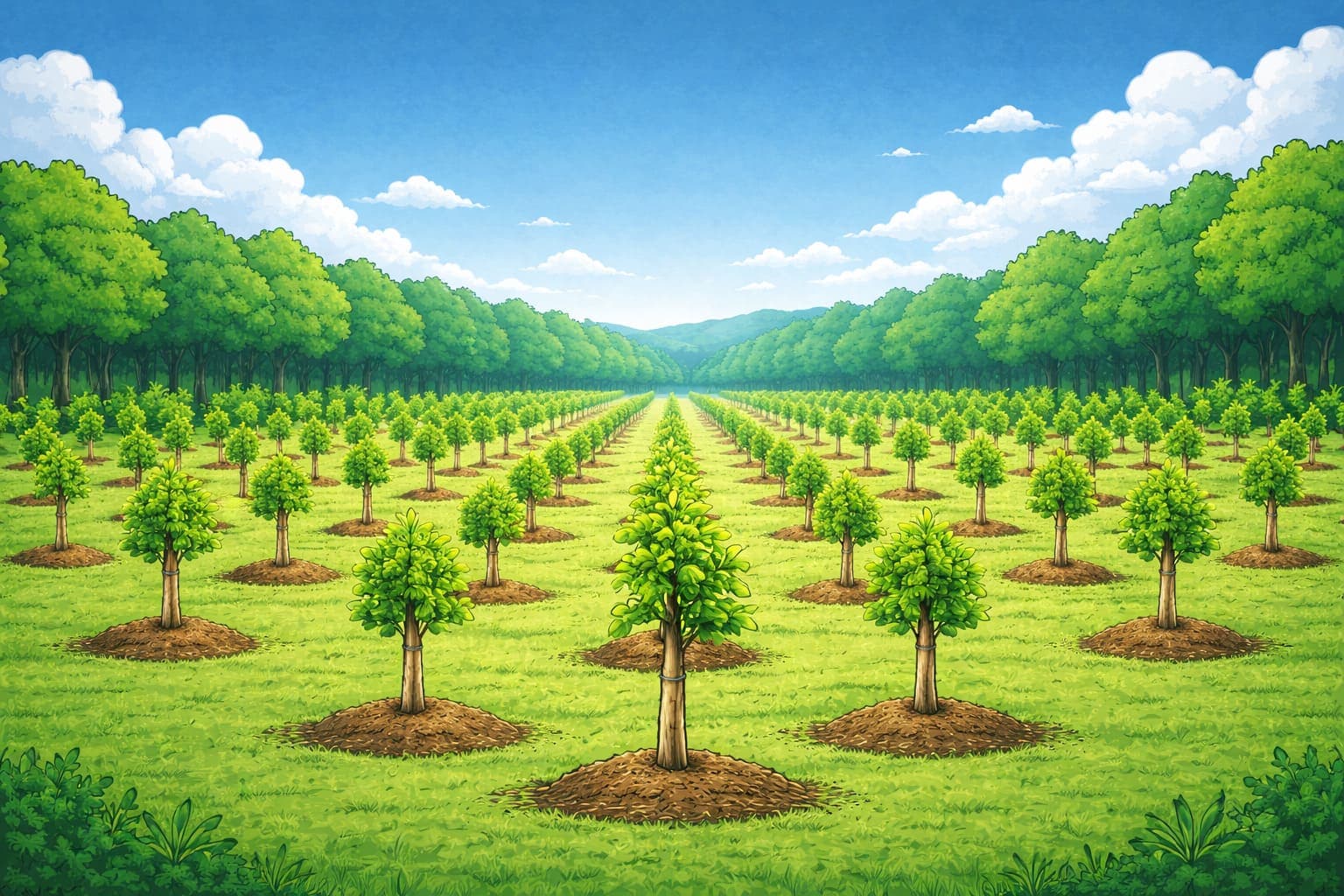
The Great Green Wall initiative, a pan-African project aiming to restore 250 million acres across the Sahel by planting a 4,000-mile stretch of trees, shows uneven progress among participating countries as of April 2026. While some localized successes in reforestation and community support have been reported, challenges including funding gaps, governance issues, ongoing conflicts, and climate variability continue to hinder overall effectiveness, according to NPR. Concurrently, Ethiopia is experiencing a historic drought that threatens native myrrh trees, crucial for producing resin used in incense and luxury perfumes. This environmental stress risks disrupting supply chains and impacting local economies, as detailed by Ground News.
Why It Matters
The Great Green Wall represents one of the largest ecological restoration efforts globally, targeting desertification and climate mitigation while supporting livelihoods. Its success or failure will influence regional food security, carbon sequestration, and socio-economic stability across multiple Sahelian countries. Ethiopia’s drought-induced threat to myrrh trees highlights the vulnerability of specialized natural resources to climate extremes, with potential ripple effects on global luxury markets and local communities dependent on resin harvesting.
Perspective
Coverage from NPR emphasizes the complexity of implementing large-scale environmental projects amid political and climatic instability, noting both achievements and persistent obstacles. Ground News focuses on the immediate ecological and economic consequences of drought in Ethiopia, underscoring the intersection of climate change and commodity supply chains. Together, these perspectives illustrate the multifaceted nature of environmental challenges in Africa, where ambitious initiatives coexist with acute climate impacts.
What to Watch
Key indicators include the mobilization of additional funding and governance reforms to sustain the Great Green Wall’s momentum. Monitoring tree survival rates, community engagement, and carbon capture metrics will be critical to assess progress. In Ethiopia, tracking drought severity, myrrh resin yields, and market responses will provide insight into the resilience of both ecosystems and economic sectors reliant on natural products. Regional security developments may also influence environmental project implementation and conservation efforts.