Lead Summary
Tensions in the Middle East and Eastern Europe escalated on 6 April 2026 as Iran refused to comply with former President Donald Trump's deadline to reopen the Strait of Hormuz, while deadly airstrikes inside Iran raised concerns about further military conflict. Concurrently, the Russia-Ukraine war saw intensified attacks on energy infrastructure, with casualties reported on both sides.
Key Developments
Iranian officials firmly rejected Trump's ultimatum to reopen the Strait of Hormuz, a critical maritime chokepoint for global oil shipments, according to NPR. This defiance came amid airstrikes inside Iran that killed more than 25 people, as reported by AP News. Trump also threatened targeted attacks on Iranian power plants and bridges if Tehran did not comply, escalating the rhetoric surrounding the strategic waterway, per NPR.
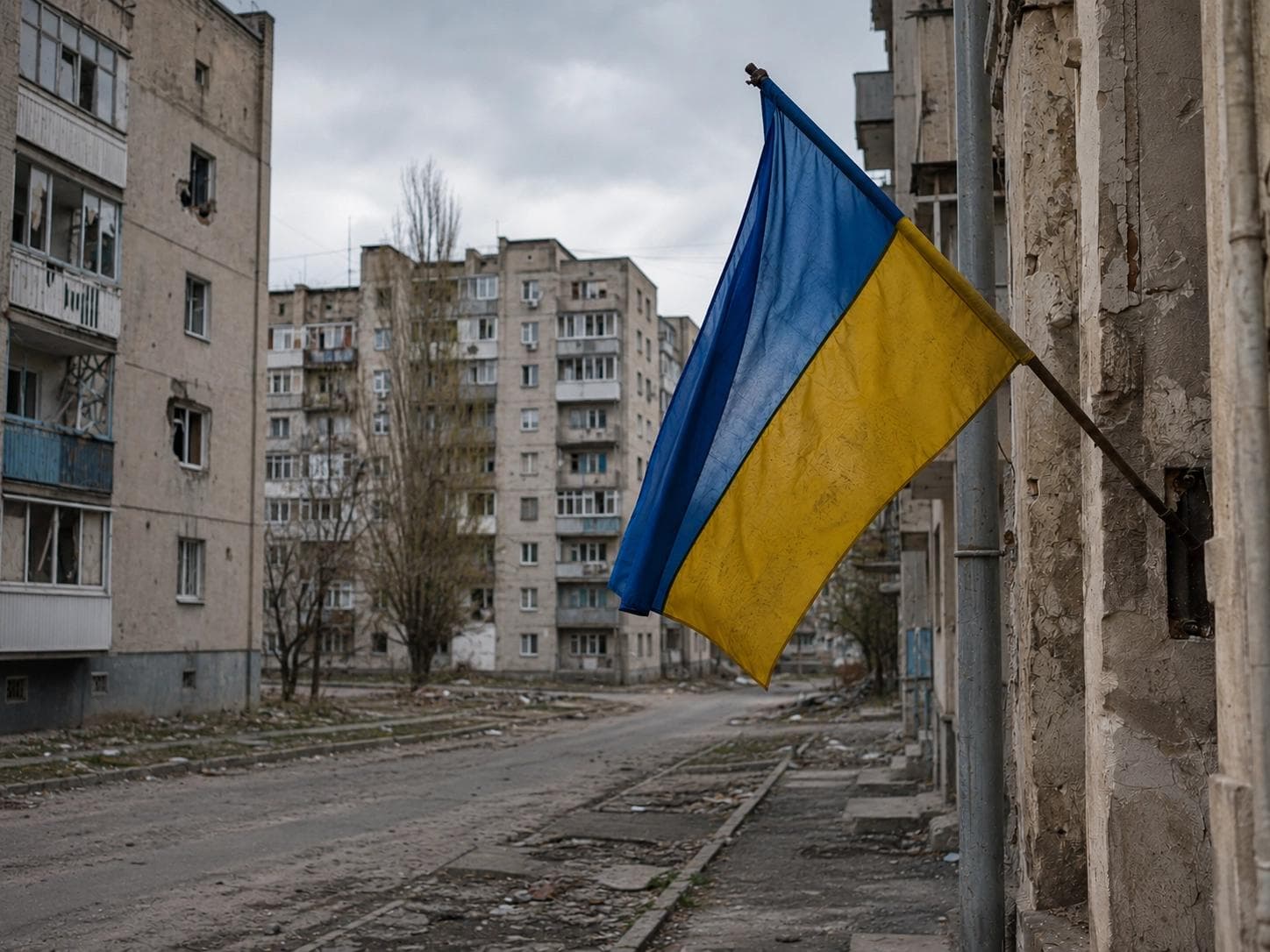
In Eastern Europe, the conflict between Russia and Ukraine intensified with multiple strikes targeting energy infrastructure. Ukrainian drone attacks hit Russian oil facilities, while Russian strikes killed at least four people, including a deadly strike in Odesa that killed three civilians, according to Ground News and AP News. Russia claimed to have shot down 148 Ukrainian drones amid these intensified energy strikes, as reported by Ground News.
What to Watch Next
The approaching deadline set by Trump for reopening the Strait of Hormuz could trigger further military actions or diplomatic responses from Iran and its allies. Monitoring developments in the Gulf region is critical due to the potential impact on global energy markets and maritime security.
Meanwhile, the ongoing Russia-Ukraine conflict shows no sign of abating, with energy infrastructure remaining a key target. Continued drone and missile attacks could further disrupt fuel supplies and civilian safety, warranting close observation of military and diplomatic efforts to de-escalate the situation.