Lead Summary
Tensions between the United States and Iran continue to escalate following an Iranian strike that injured over a dozen US personnel, prompting renewed focus on regional security and diplomatic efforts. Concurrently, the European Union has called on member states to reduce oil and gas consumption in anticipation of prolonged energy disruptions linked to the conflict. Domestically, former President Donald Trump faces judicial setbacks as courts halt White House ballroom construction and block his order to cut federal funding for public broadcasters NPR and PBS.
Key Developments
-
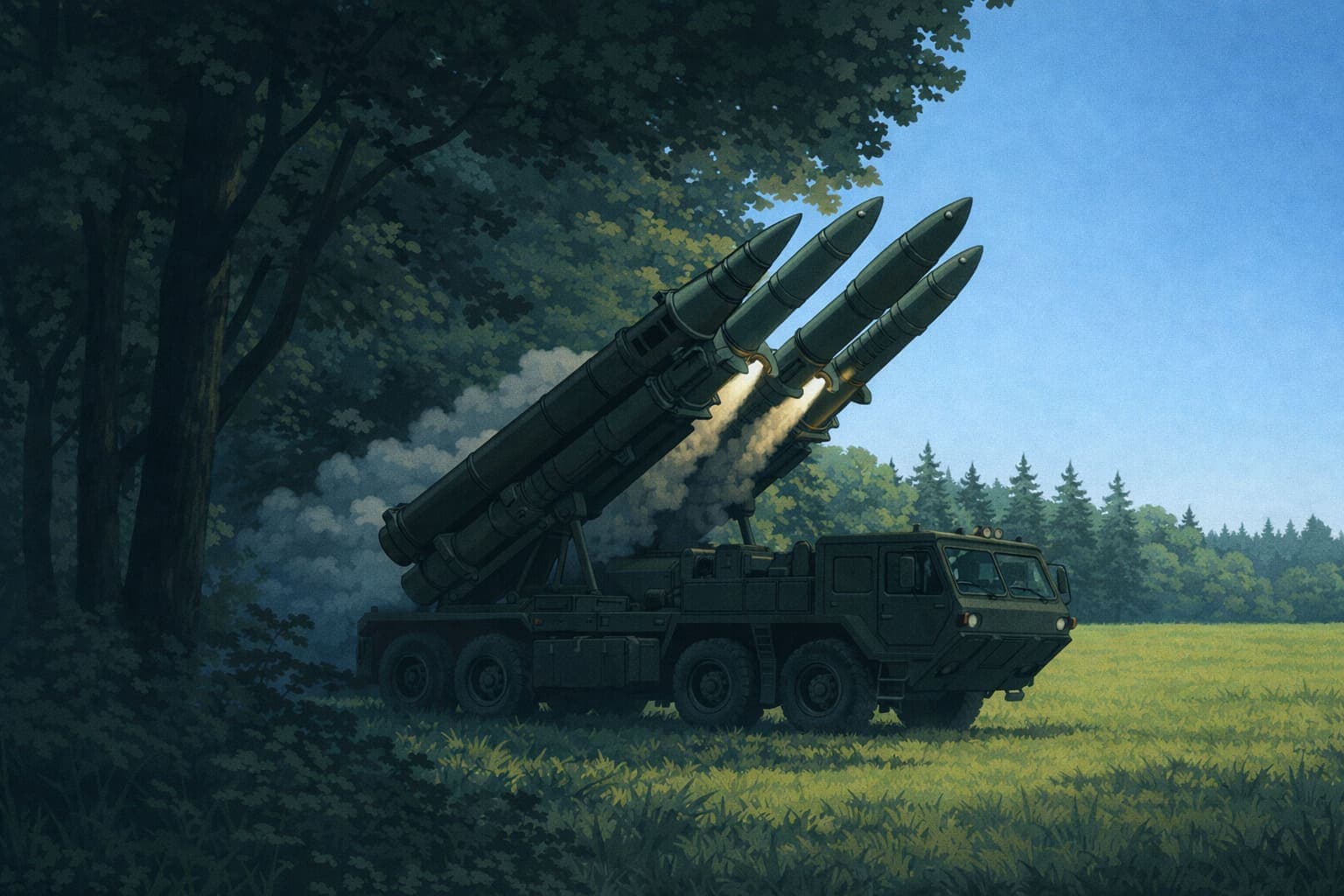
On 31 March, NPR reported that the Department of Homeland Security resumed processing asylum applications after a brief suspension, coinciding with confirmation of an Iranian strike injuring more than twelve US personnel, raising concerns about further escalation in the Middle East NPR.
-
The European Commission urged EU member states to implement oil and gas consumption reductions and prepare for extended supply disruptions due to the Iran conflict, aiming to stabilize energy markets and enhance supply security, according to Ground News coverage on 31 March Ground News.
-
The European Council on Foreign Relations outlined strategies for Europe to influence US policy on the Iran war by emphasizing economic costs, withholding support for escalation, and offering diplomatic pathways for a ceasefire, framing an exit strategy that allows President Trump to claim political success ECFR.
-
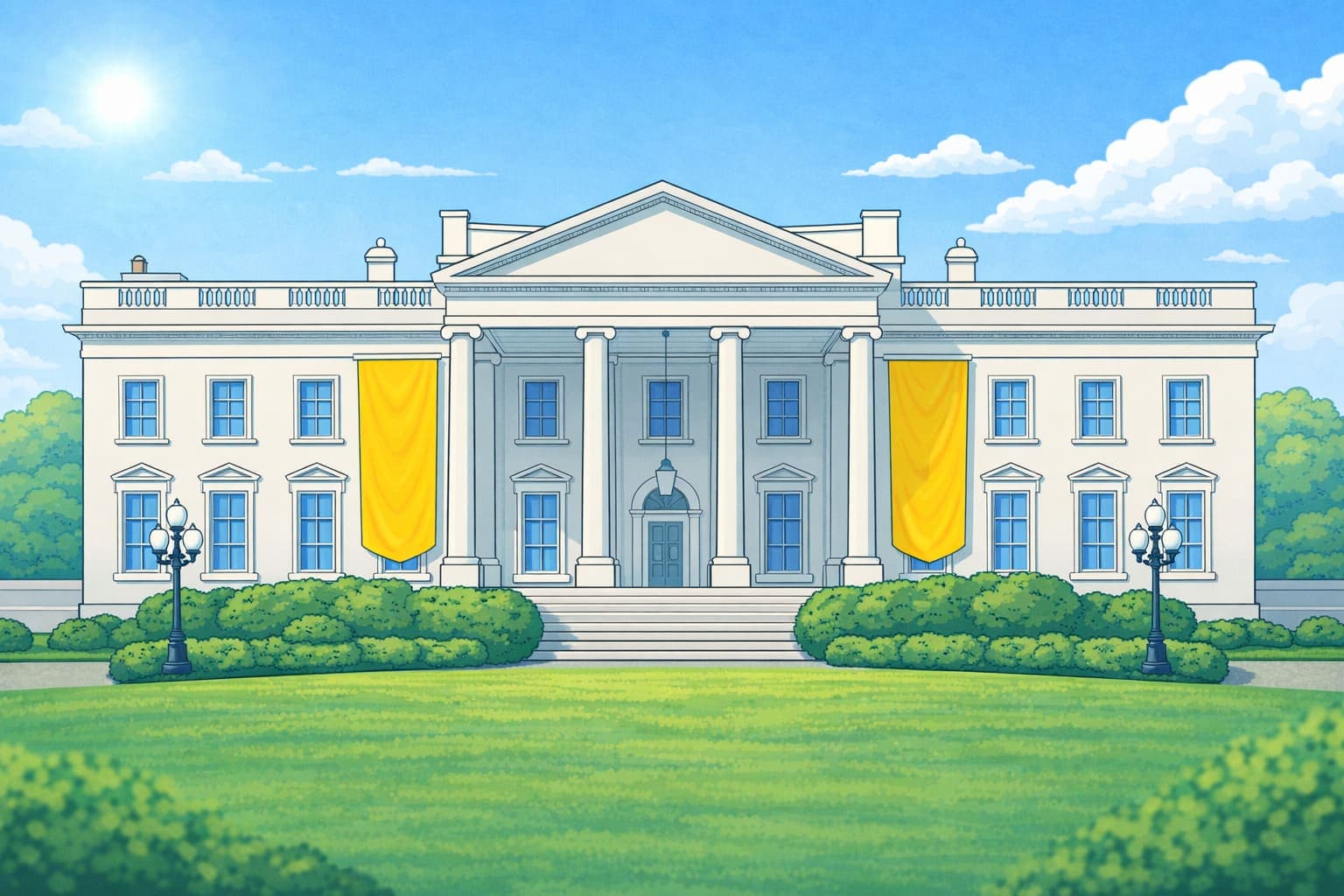
Judicial rulings on 31 March halted construction of a new White House ballroom initiated under the Trump administration until Congress grants explicit approval, highlighting legal scrutiny over executive projects. Trump criticized preservation groups opposing the work NPR, AP News.
-
Additionally, a federal judge blocked Trump's executive order to end federal funding for NPR and PBS, citing First Amendment protections, thereby maintaining public broadcasting support amid ongoing legal challenges AP News.
What to Watch Next
Stakeholders will monitor US-Iran interactions closely for signs of further military or diplomatic developments. The EU's energy consumption directives may influence global oil markets and member state policies in the coming months. Domestically, the outcomes of legal proceedings concerning Trump-era initiatives could impact executive authority and federal funding policies. The interplay of these international and domestic factors will shape political dynamics in the near term.