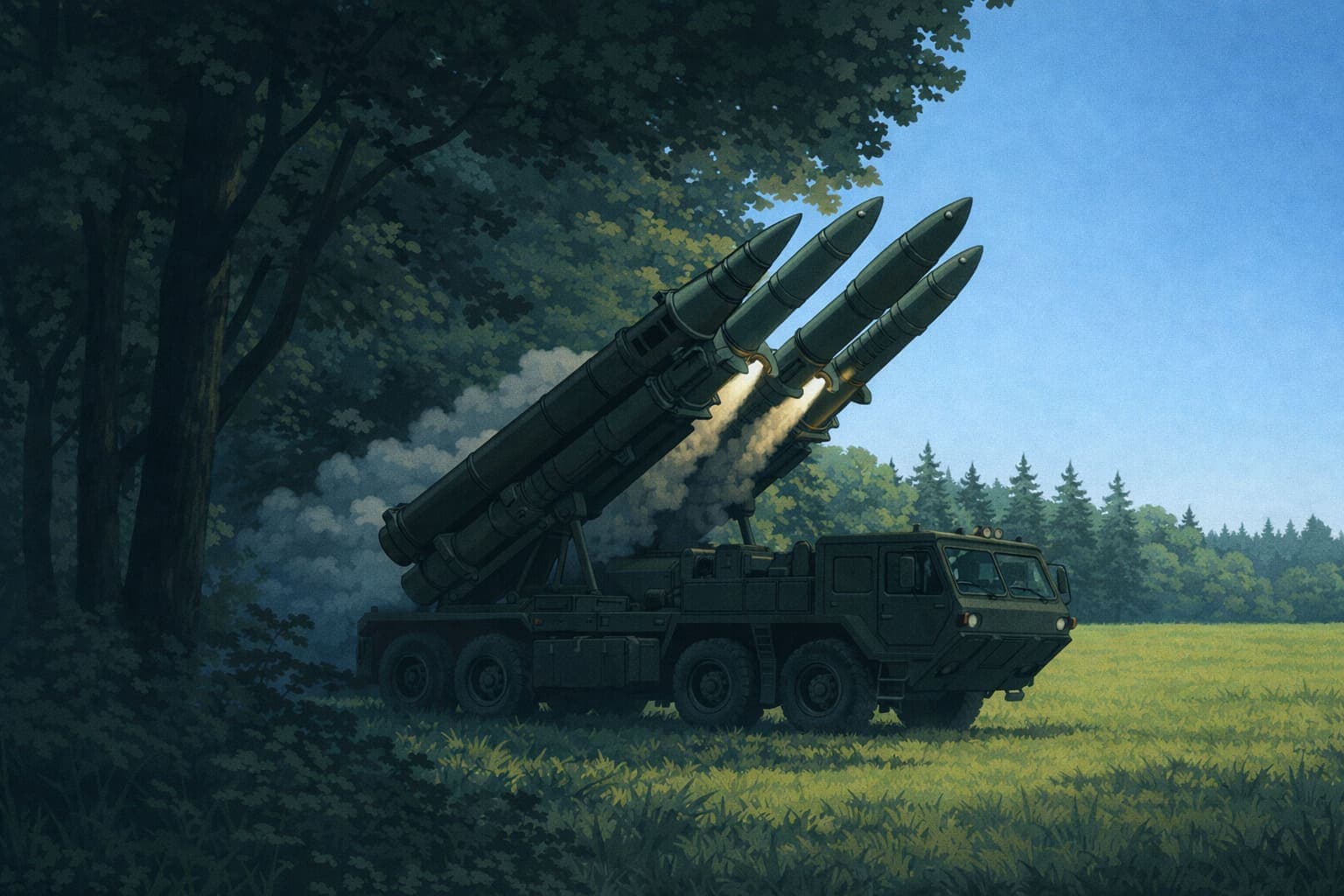
On Tuesday 31 March, US forces conducted an attack on an Iranian nuclear facility, while Iranian forces targeted and set ablaze a large Kuwaiti oil tanker off the coast of Dubai, according to reports from the Associated Press and NPR. These twin incidents represent a sharp escalation in hostilities between Tehran and Washington, intensifying fears of a broader regional conflict and threatening the security of critical maritime shipping lanes in the Gulf.
The attack on the Kuwaiti tanker highlights the growing spillover effects of the ongoing war on Gulf states, with implications for regional stability and global energy supplies, as noted by NPR. Former US President Donald Trump’s recent remarks urging European countries to "get your own oil" have further strained diplomatic relations amid these developments.
Experts caution that any US attempt to seize Iran’s Kharg Island, the country’s primary oil export terminal, would pose significant risks to American troops due to the complexity of amphibious operations and expected Iranian resistance. Such an action may not resolve the conflict and could provoke further retaliation and disruption to global oil flows, according to analysis from the Associated Press.
Meanwhile, European policymakers are exploring strategies to influence US decision-making by emphasizing the economic costs of the conflict, promoting ceasefire initiatives, and withholding support for escalation, as outlined by the European Council on Foreign Relations (ECFR). These efforts aim to stabilize markets and maritime security while offering diplomatic pathways to de-escalation.
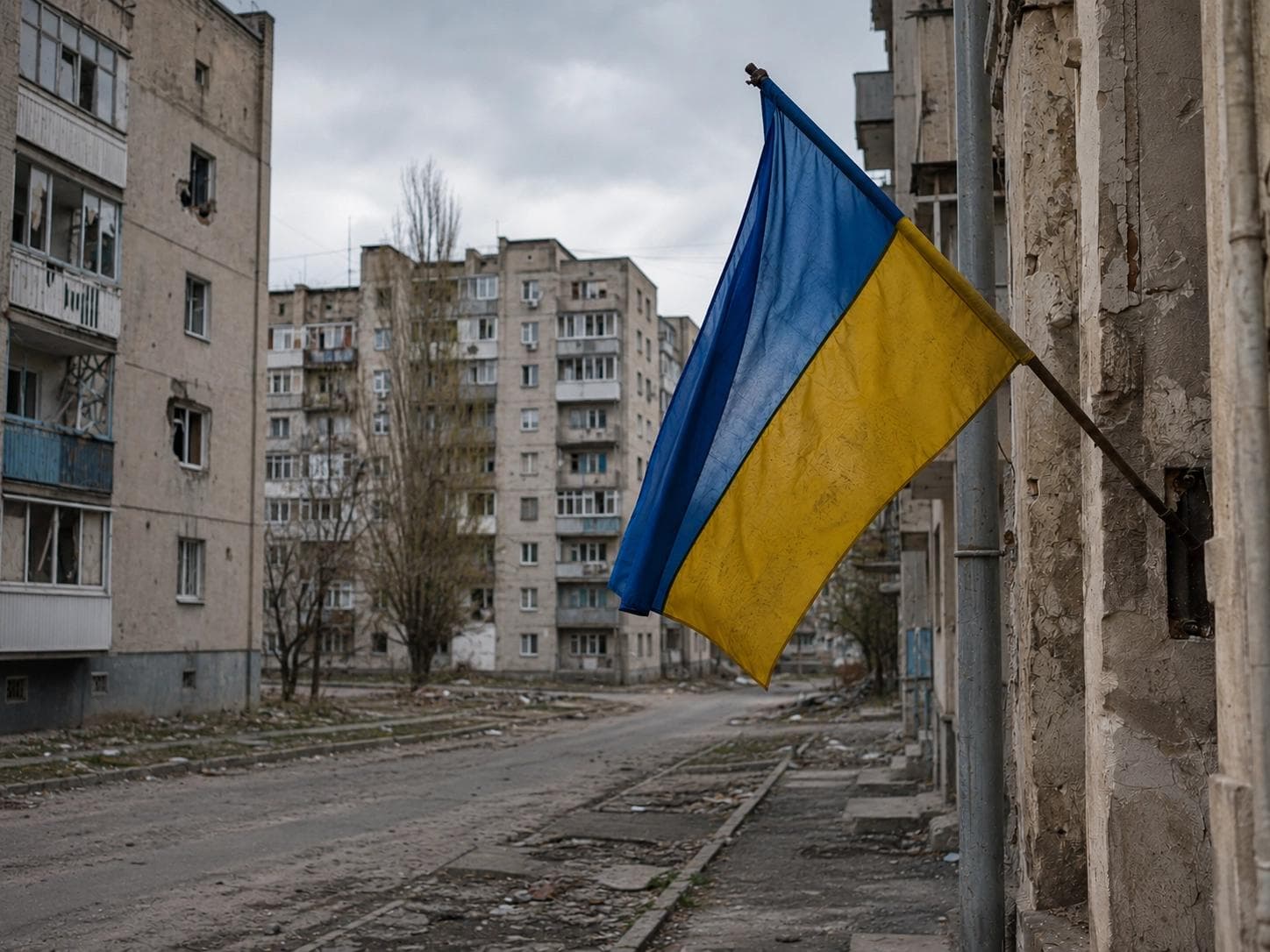
In a related development, Russia has issued warnings against Ukraine using foreign airspace to attack its Baltic ports, signaling potential risks of wider confrontation involving NATO members, as reported by Ground News.
Key developments to watch include further military actions in the Gulf, diplomatic responses from European and Gulf states, and the potential for broader regional or international escalation affecting energy markets and maritime security.