Lead Summary
Former President Donald Trump has publicly discussed the possibility of seizing Iran's Kharg Island oil terminal, signaling a potential escalation in U.S. rhetoric and military posture toward Iran. This development comes amid ongoing diplomatic talks with Tehran and heightened regional tensions involving Israel and Lebanon. Meanwhile, economic repercussions linked to the conflict are emerging in Europe, with German inflation accelerating in March.
Key Developments
- On 30 March, Trump stated the U.S. could "take the oil in Iran" and is considering sending forces to seize Kharg Island, a strategic oil terminal in the Persian Gulf, according to NPR. This proposal raises complex legal and diplomatic questions and could impact relations with regional actors and U.S. partners.
- The Associated Press reported on the same day that these military considerations contrast with ongoing diplomatic efforts, which appear to be progressing despite the rhetoric. Analysts caution that such proposals risk complicating negotiations and escalating conflict in the region (AP News).
- Separately, Israeli Prime Minister Benjamin Netanyahu announced plans to expand military operations in Lebanon, raising concerns about a broader regional escalation, as detailed by NPR.
- Economic impacts of the conflict are evident in Europe; German state-level data showed inflation accelerating to 2.8% in March, with analysts linking rising energy costs to intensified fighting around Iran, potentially foreshadowing a national inflation uptick (Ground News).
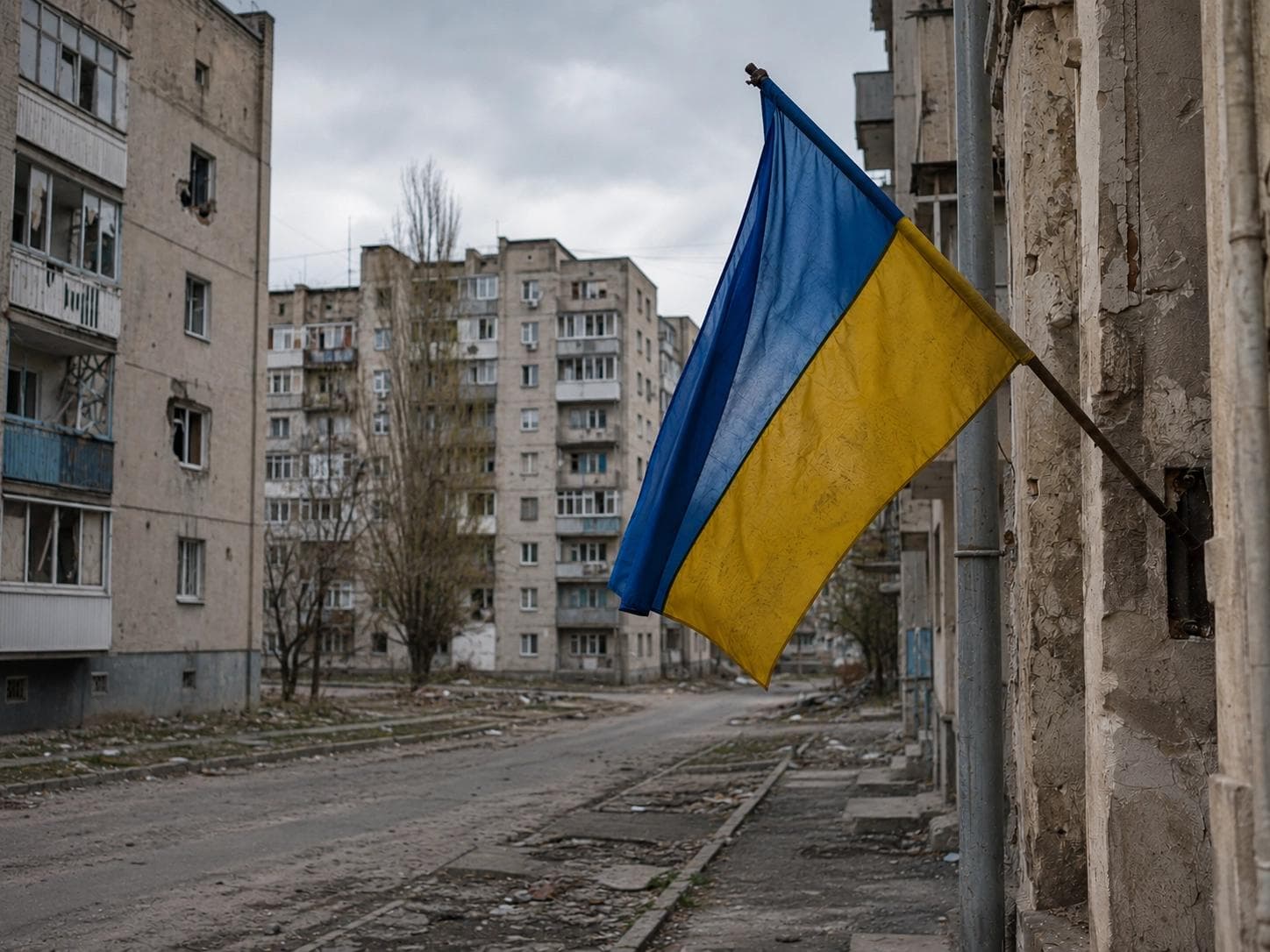
- In a related geopolitical context, the European Council on Foreign Relations highlighted concerns about far-right political rhetoric in Europe that undermines collective security and support for Ukraine, indirectly affecting regional stability (ECFR).
What to Watch Next
- The U.S. administration’s next steps regarding Kharg Island will be closely monitored for signs of military escalation or diplomatic restraint.
- Progress or setbacks in diplomatic talks with Iran could influence regional security dynamics and global energy markets.
- Israeli military actions in Lebanon may further destabilize the region and draw international responses.
- Inflation trends in Europe, particularly Germany, will be watched as an economic barometer of the conflict’s broader impact.
- The influence of political narratives in Europe on security policies, especially concerning Russia and Ukraine, remains a critical factor in regional stability.