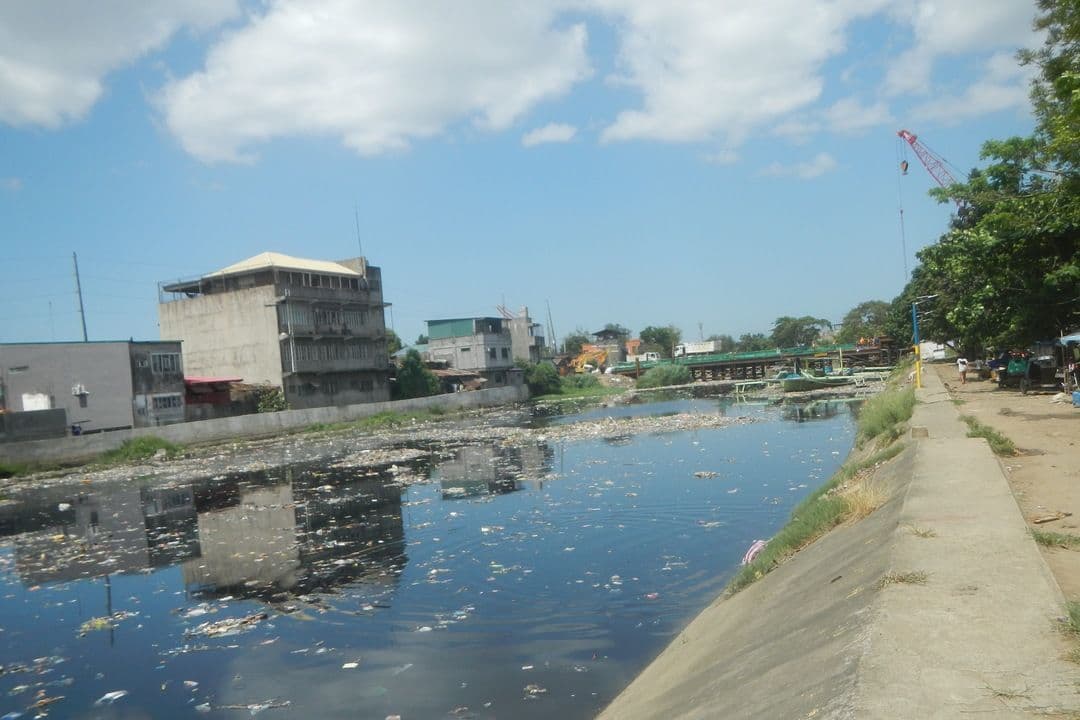
Environmental and disaster management challenges in the United States have come into sharper focus following several recent developments reported on 30 March 2026. A new report by the EPA inspector general reveals that many of the nation's most contaminated sites, including Superfund locations, face significant risks from flooding, wildfires, and sea-level rise. The report criticizes the EPA for lacking consistent vulnerability assessments, emergency planning, and adequate monitoring of climate-related threats. It recommends enhanced site-specific evaluations, updated response strategies, and increased funding to safeguard communities and cleanup infrastructure, according to AP News.
In parallel, federal officials are considering invoking a national security rationale to convene the Endangered Species Committee, known as the "God Squad," to potentially exempt oil industry activities in the Gulf of Mexico from endangered species protections. This move, framed as a response to an "energy emergency," could reduce protections for marine wildlife and set a precedent for future regulatory rollbacks, as reported by NPR.
Infrastructure vulnerabilities have also been highlighted by recent flooding on Hawaii's North Shore. Neglected plantation-era irrigation and drainage systems impeded water flow, worsening flood damage to farms and properties. Local stakeholders are calling for urgent repairs and clearer maintenance responsibilities to improve resilience against future heavy rains, according to AP News.
Additionally, rural communities across the U.S. remain exposed to extreme weather disasters due to delayed federal funding for flood, wildfire, and hurricane protection projects during the Trump administration. Local leaders report increased anxiety over preparedness and resilience gaps, as detailed by NPR.
What to watch next:
- Whether the Endangered Species Committee will grant exemptions for Gulf oil operations and the implications for marine conservation.
- EPA's response to the inspector general's recommendations and progress on climate risk assessments at contaminated sites.
- Federal and local actions to address infrastructure maintenance and disaster preparedness in vulnerable rural and island communities.
These developments underscore the complex intersection of environmental protection, energy policy, and disaster resilience amid evolving climate challenges.