Lead Summary
On 26 March 2026, Iran intensified its control over the Strait of Hormuz, a critical global shipping route, as military confrontations between Iran and Israel escalated. The United States has responded by deploying thousands of troops to the Middle East, aiming to secure the strait and deter further conflict. Meanwhile, reports indicate Russia is supplying armed drones to Iran, adding complexity to the regional conflict and global security dynamics.
Key Developments
Iran’s enhanced grip on the Strait of Hormuz raises concerns about potential disruptions to energy shipments, according to AP News. Concurrently, Israel conducted strikes targeting Iranian infrastructure, while Iran launched missile attacks on central Israel, marking a sharp escalation in hostilities as detailed by NPR.
The U.S. Pentagon’s deployment of additional troops to the region, part of a strategy linked to securing the Strait of Hormuz, has sparked debate over whether this constitutes a measured deterrent or risks further escalation, as reported by NPR.
Adding to the complexity, Ground News reported that Russia has secretly supplied Iran with armed “kamikaze” drones to support its war effort. The Kremlin’s ambiguous response to these reports raises questions about future diplomatic and security repercussions.
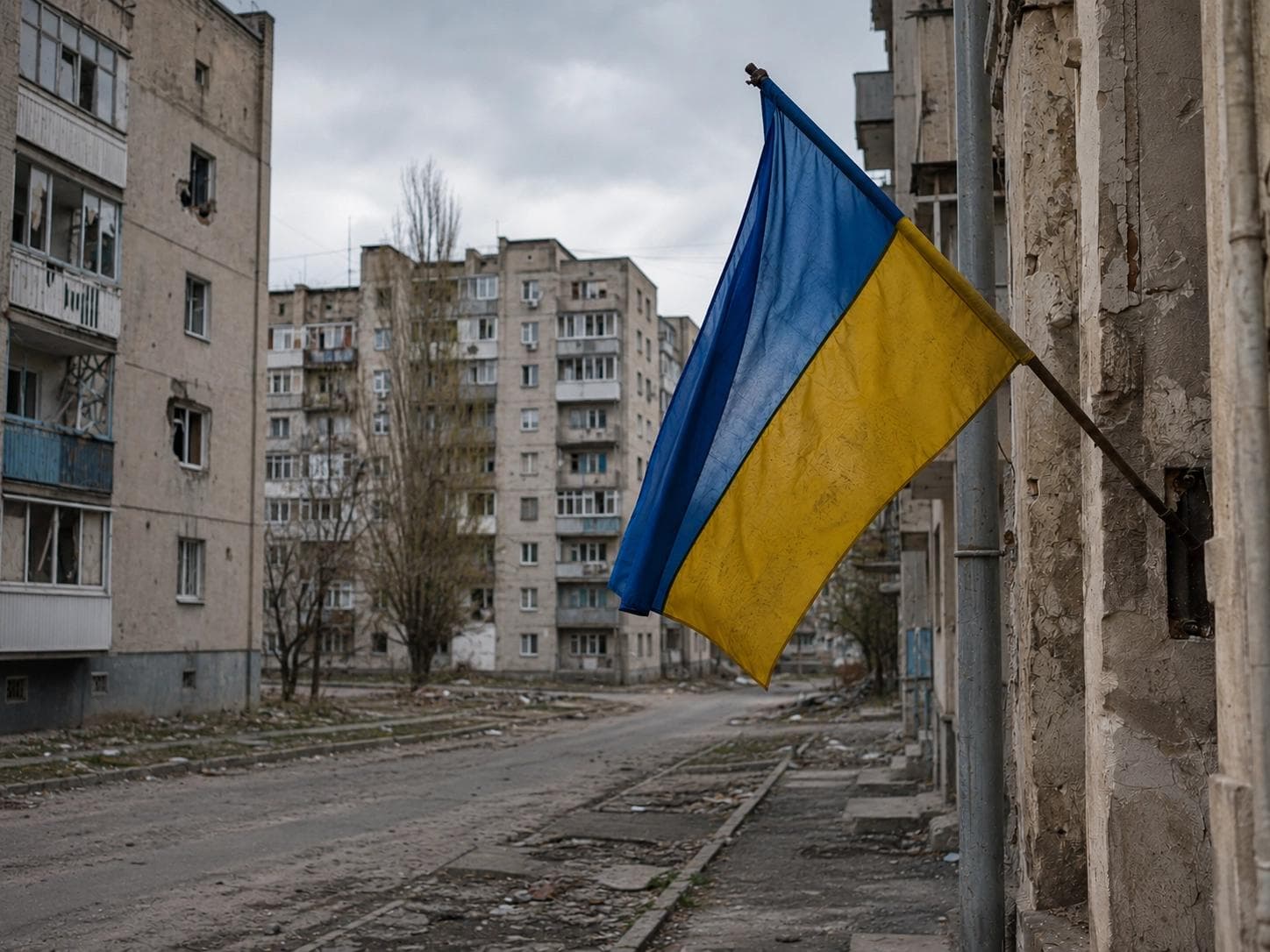
The ongoing conflict has also diverted international attention from the Russia-Ukraine war, coinciding with a renewed Russian spring offensive involving increased drone strikes, according to AP News.
What to Watch Next
Observers should monitor developments in the Strait of Hormuz for signs of disruption to maritime traffic and energy supplies. The trajectory of U.S. troop deployments and diplomatic efforts toward Iran will be critical in assessing the potential for de-escalation or further conflict. Additionally, the impact of Russian drone support on Iran’s military capabilities and the broader regional balance warrants close attention. Finally, shifts in Gulf states’ security policies and European engagement, as outlined by the European Council on Foreign Relations, may influence the conflict’s regional dynamics and global trade security.