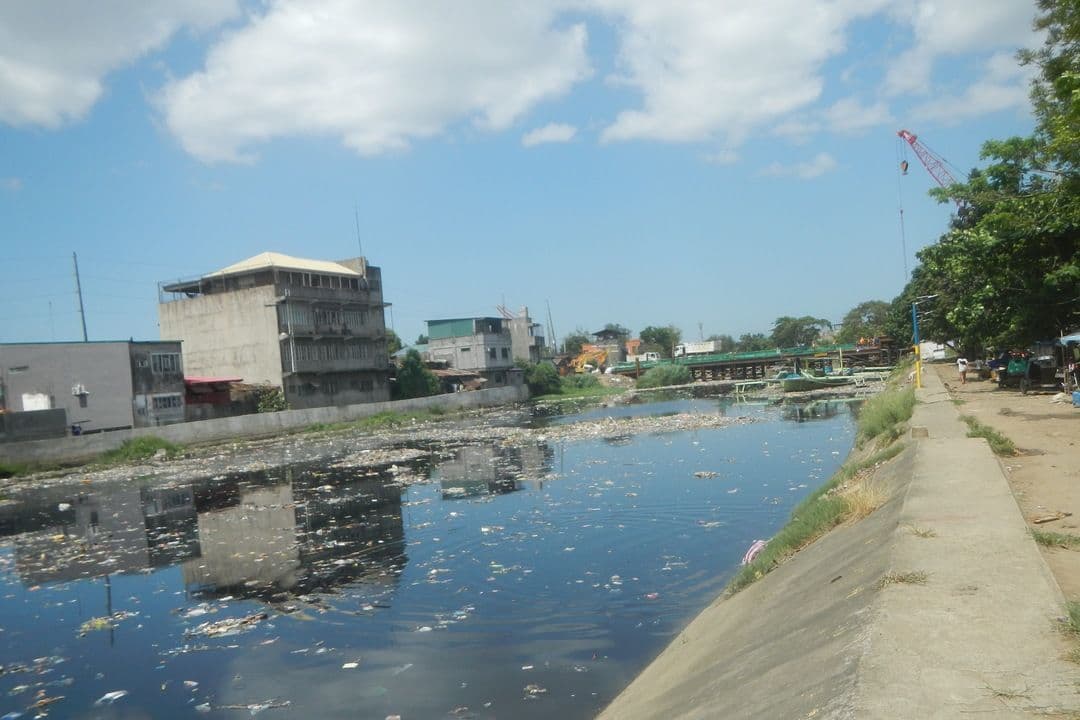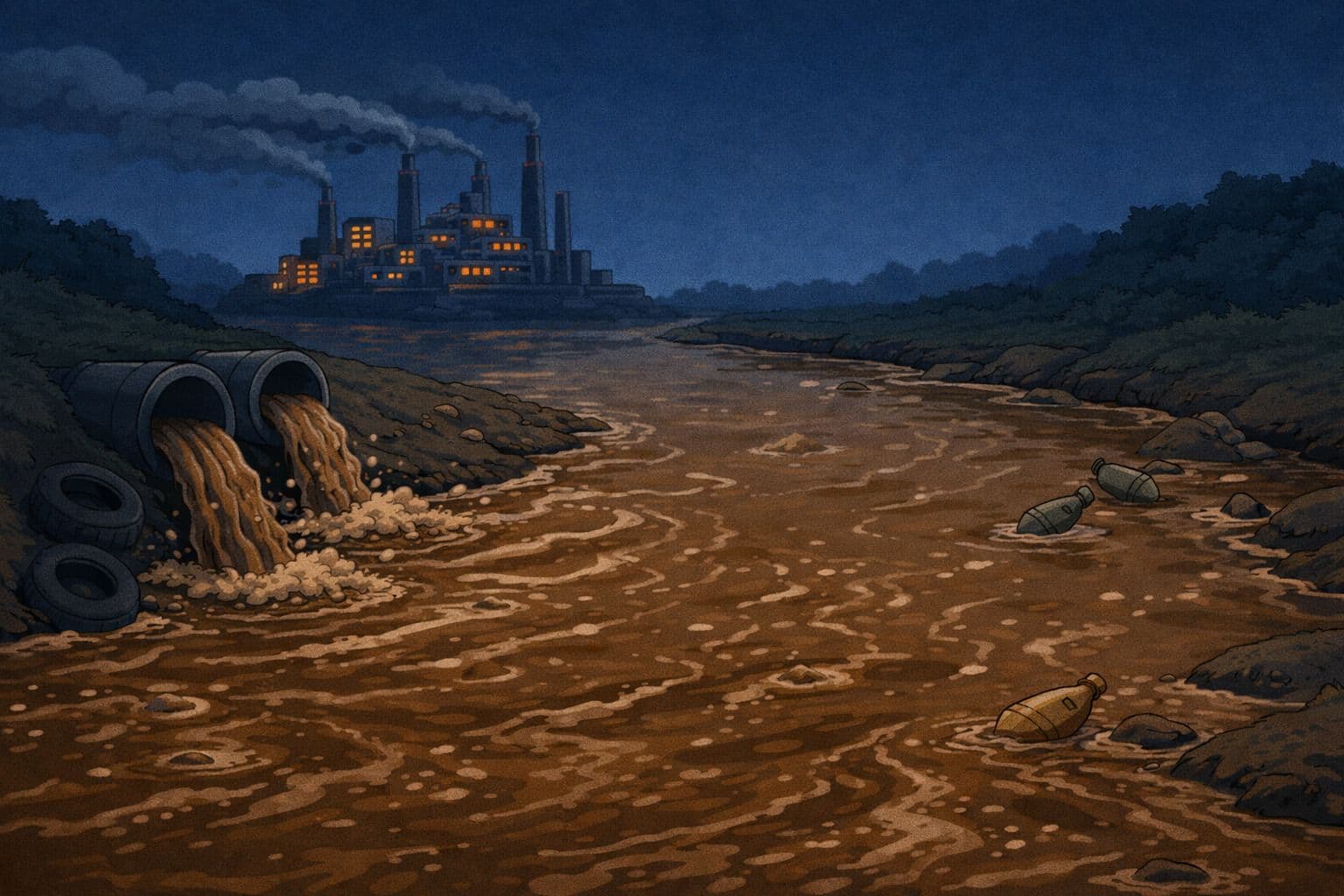
The European Chemicals Agency (ECHA) has proposed a broad ban on per- and polyfluoroalkyl substances (PFAS), often called "forever chemicals," due to their persistence in the environment and links to health risks. This recommendation, reported on 26 March, could lead to EU-wide regulations affecting multiple sectors including manufacturing, consumer goods, and food packaging, according to Ground News.
Meanwhile, environmental experts have raised alarms about the ongoing war in Iran, emphasizing that the conflict’s ecological toll may persist for decades. The fighting has caused widespread contamination of soil and water, destruction of ecosystems, and damage to critical energy and industrial infrastructure. Additionally, unexploded ordnance and toxic residues pose ongoing health hazards, complicating cleanup efforts and increasing risks of disease and exposure, as detailed by AP News on 26 March.
These developments come amid broader environmental challenges, including rising freshwater salinity and shifts in energy use. On 24 March, NPR reported that Asia has increased coal consumption due to constrained global liquefied natural gas supplies linked to the Iran conflict. The following day, NPR also highlighted concerns about increasing salt levels in freshwater sources, which could impact ecosystems and water quality.
Key developments to watch include the EU’s regulatory response to PFAS chemicals and how industries adapt to potential restrictions. Additionally, the long-term environmental and health consequences of the Iran war will require ongoing monitoring and international cooperation for remediation. Energy market shifts driven by geopolitical tensions also remain a critical factor influencing environmental outcomes.