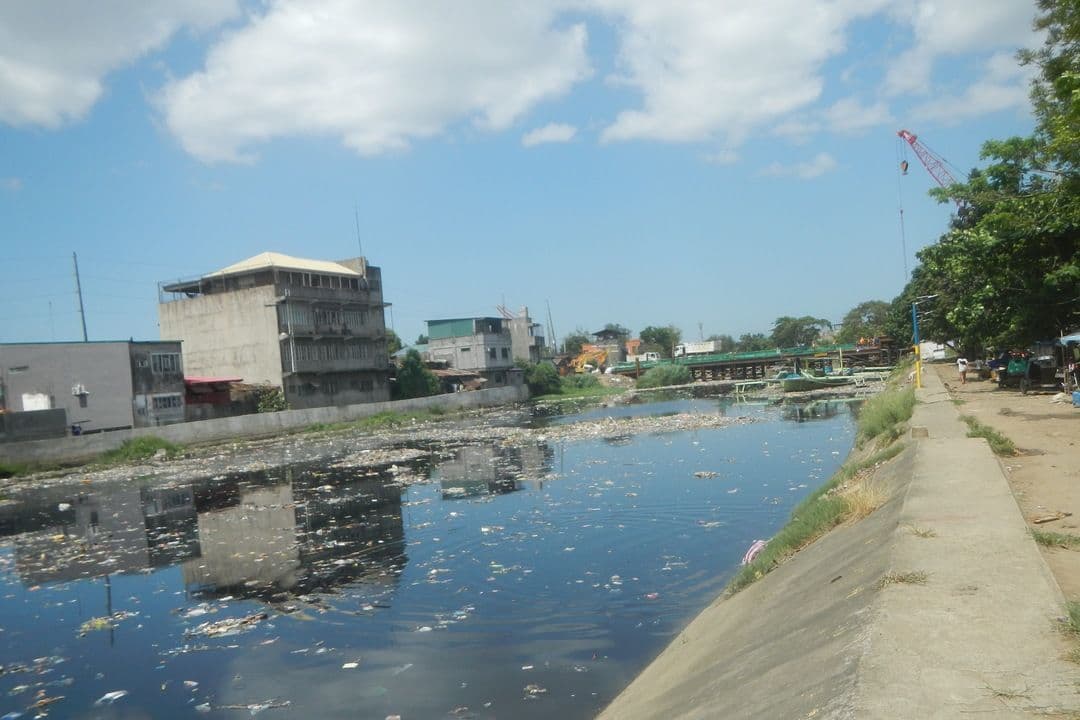
Freshwater ecosystems worldwide are experiencing rising salinity levels, driven primarily by human influences such as road salt application, fertilizer runoff, and climate-induced evaporation increases. This trend threatens aquatic habitats and compromises drinking water quality, according to an NPR report examining the causes and mitigation strategies. Communities and policymakers are exploring ways to reduce salt inputs and protect water resources amid these challenges NPR.
Concurrently, a United Nations report highlights a dramatic 81% decline in migratory freshwater fish populations since 1970. The steep drop is attributed to factors including dam construction, habitat degradation, overfishing, and climate change impacts. This decline has intensified legal and policy debates focused on safeguarding river corridors and migratory routes critical for these species' survival Ground News.
These developments underscore the interconnected pressures on freshwater environments, where increasing salinity and biodiversity loss pose risks to ecosystem health and human water supplies. Efforts to address these issues involve balancing infrastructure needs, environmental conservation, and sustainable water management.
Looking ahead, monitoring salinity trends and fish population health will be essential to inform adaptive policies. Stakeholders are expected to focus on improving watershed management, reducing pollutant inputs, and enhancing habitat connectivity to mitigate ongoing freshwater ecosystem declines.