European Union leaders met in Brussels focusing on immediate measures to stabilize energy supplies and protect consumers following a sharp spike in prices connected to the escalating Iran conflict. The summit prioritized short-term fixes while considering longer-term energy security and diplomatic strategies to mitigate market disruptions.s1
In parallel, the European Central Bank opted to keep interest rates unchanged, highlighting the significant uncertainty caused by the energy shock. Policymakers noted that the volatility in energy markets complicates inflation and growth forecasts, which will influence future monetary policy decisions.s2
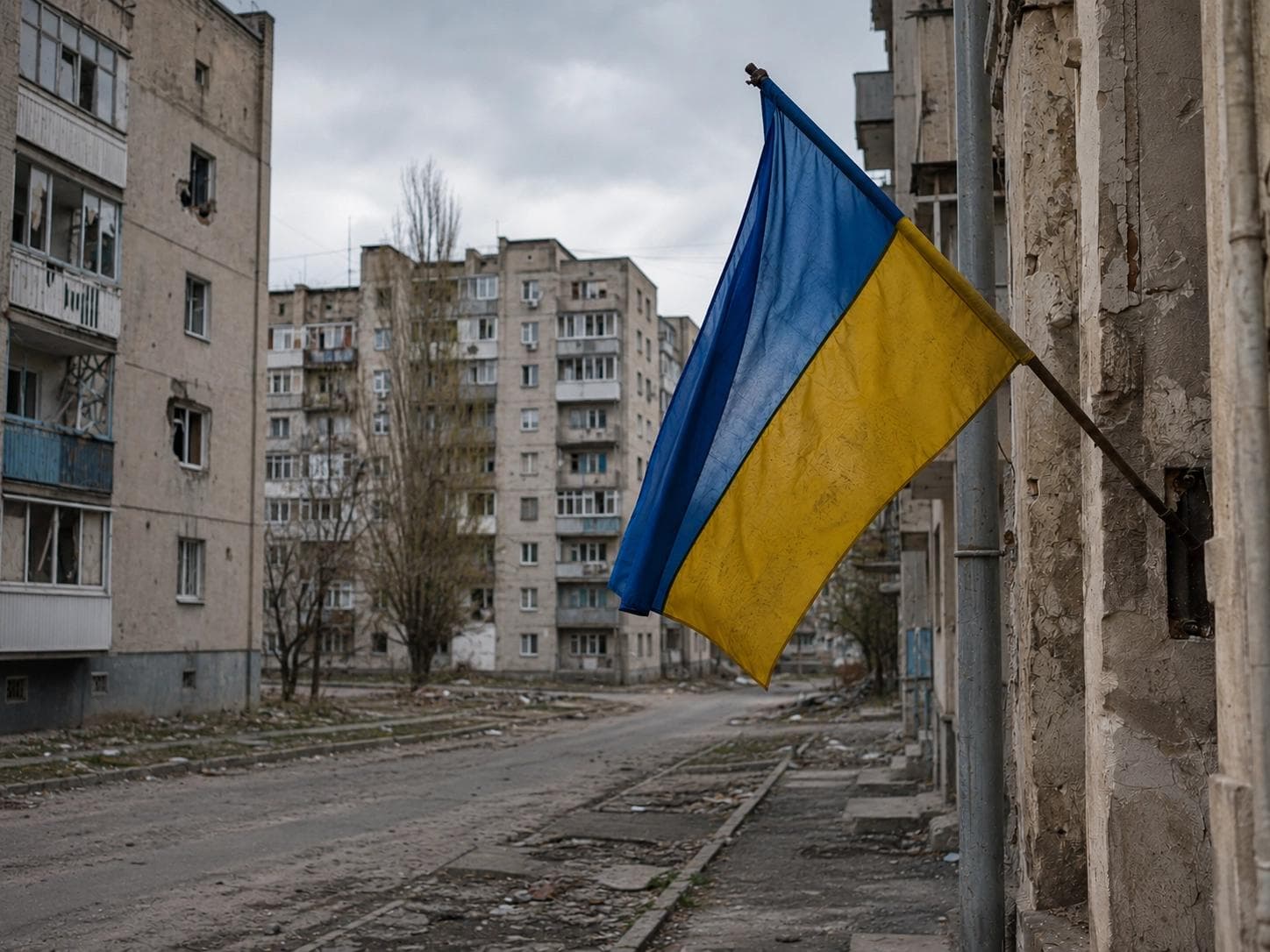
Amid these challenges, EU leaders intensified pressure on Hungarian Prime Minister Viktor Orbán to lift his veto blocking a loan package intended to support Ukraine. The dispute underscores tensions within the bloc as it navigates the Iran war's impact and rising energy costs, factors that may hinder consensus on broader policy initiatives.s3
Meanwhile, diplomatic efforts remain strained internationally. Reports indicate that Moscow has paused Ukraine peace talks, although Kyiv anticipates a new meeting, reflecting ongoing uncertainty in conflict resolution efforts.s6
The United States continues to exert diplomatic pressure on allies to join its stance against Iran, with President Trump employing a combination of demands and threats. The conflict's escalation has led to increased military commitments and budgetary requests, complicating prospects for a swift resolution.s4 s5
What to watch next includes the EU's ability to unify on energy and financial policies amid external pressures, the ECB's response to evolving economic conditions, and developments in diplomatic negotiations related to both the Iran conflict and Ukraine peace efforts.