Lead Summary
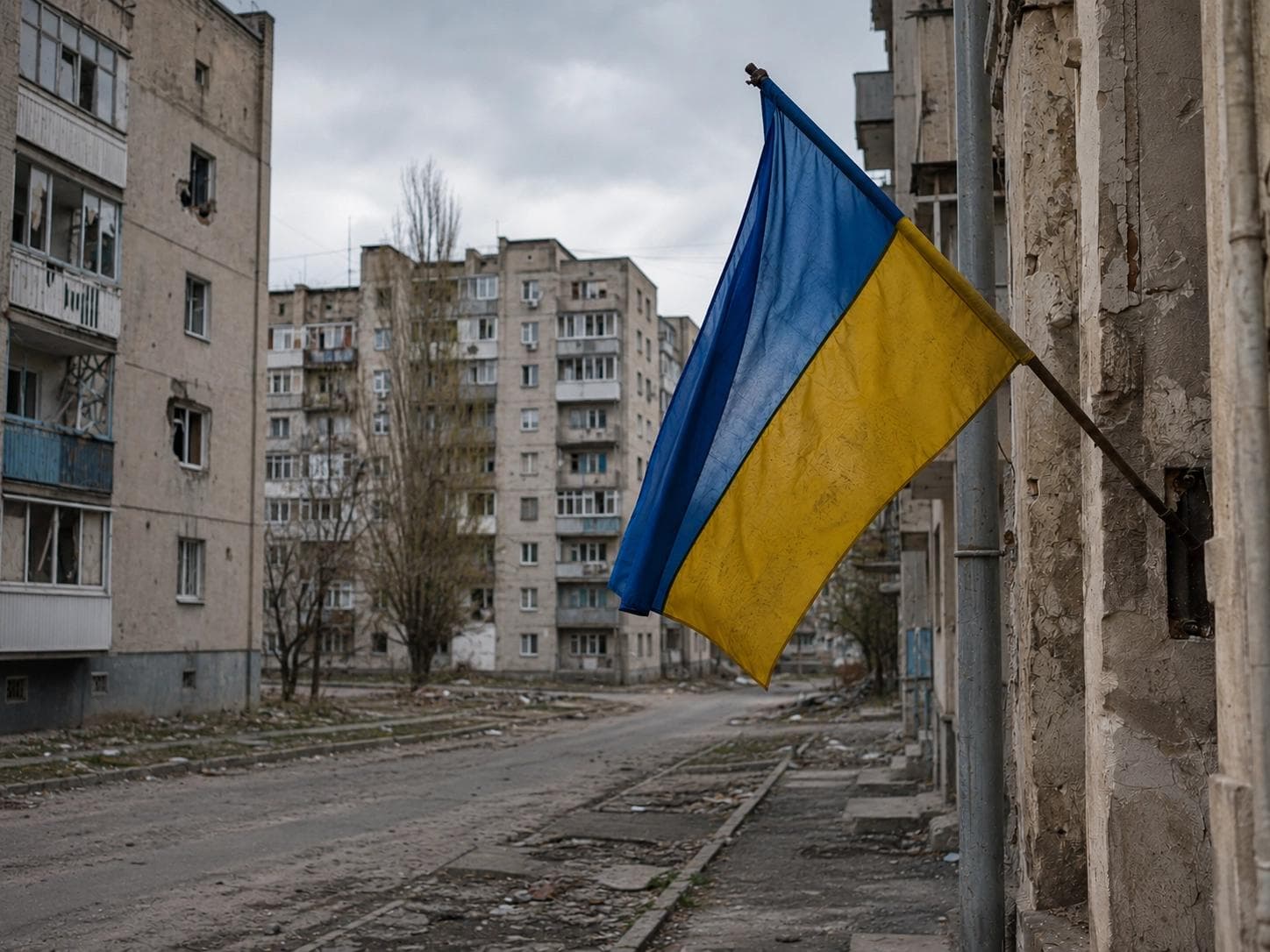
The European Union has extended its sanctions regime against individuals and entities associated with Russia's ongoing war in Ukraine. This move underscores the EU's commitment to maintaining pressure on Moscow. Concurrently, Ukrainian President Volodymyr Zelenskyy has publicly accused some EU allies of "blackmail" amid a dispute over an oil pipeline, highlighting tensions within the bloc. Zelenskyy also stated that Ukraine is awaiting the United States and Russia to schedule the next round of peace talks. Across Europe, political activity intensifies with anti-war protests in Italy and Spain and rival rallies in Hungary ahead of parliamentary elections.
Key Developments
-
The EU's extension of sanctions includes asset freezes and travel bans targeting individuals and entities linked to the conflict in Ukraine. This decision, made in Brussels, aims to hold accountable those involved and sustain diplomatic pressure on Russia source.
-
Ukrainian President Zelenskyy accused certain EU allies of "blackmail" in a dispute concerning an oil pipeline, signaling diplomatic friction within the European Union over energy security and cooperation source.
-
Zelenskyy confirmed that Ukraine is ready for further peace negotiations but is waiting for the United States and Russia to coordinate and set the timing for the next round of talks source.
-
Anti-war demonstrations took place in Italy and Spain amid a contentious referendum on judicial reforms in Italy, reflecting broader societal debates on governance and the rule of law source.
-
In Hungary, Prime Minister Viktor Orbán and opposition challenger Péter Magyar organized rival rallies in Budapest ahead of the April parliamentary elections, illustrating the country's political polarization source.
What to Watch Next
- The EU's continued approach to sanctions and its internal cohesion regarding energy policy, especially in light of disputes raised by Ukraine.
- Progress on scheduling and outcomes of the next US-Russia-Ukraine peace talks.
- Developments in Italy's judicial referendum and its implications for governance and civil society.
- The Hungarian parliamentary election results and their impact on regional politics.
This evolving landscape reflects the complex interplay of diplomacy, energy security, and domestic politics amid the ongoing conflict in Ukraine.