Lead Summary
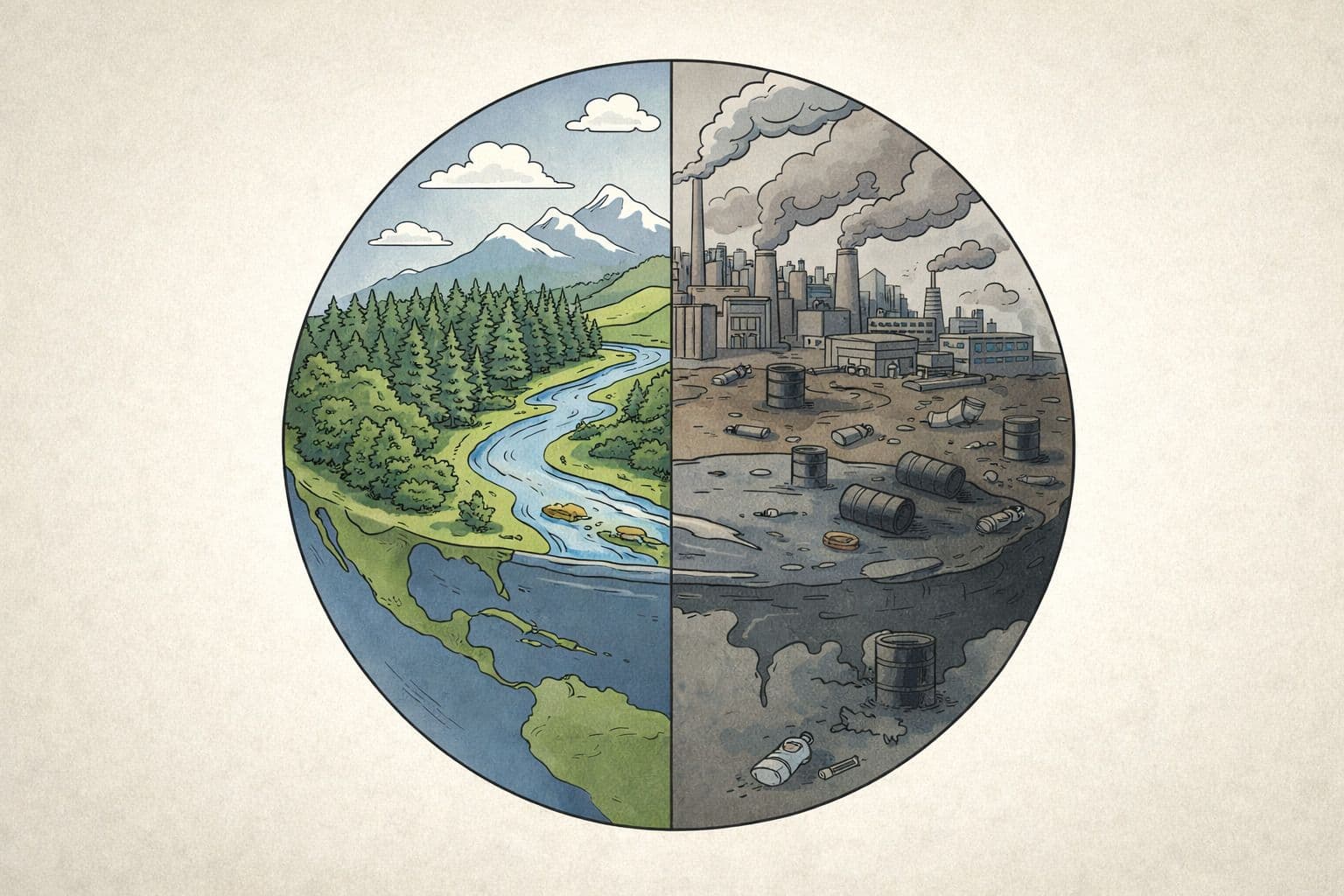
Recent scientific research highlights two notable environmental impacts linked to climate change: a measurable increase in the length of Earth's days due to shifts in mass distribution, and evolutionary trends causing fish species to become smaller. These developments underscore the complex ways climate change affects planetary and ecological systems.
Key Developments
-
A new study finds that climate change is causing subtle but measurable changes in Earth's rotation, leading to longer days. This phenomenon is attributed to the redistribution of mass on the planet, including melting ice caps and altered water storage patterns. While the effect is gradual, it reflects long-term systemic shifts rather than sudden changes ground.news.
-
Concurrently, research indicates that fish species worldwide are evolving to be smaller in size. This trend poses a threat to the global food supply, as smaller fish may reduce the availability of a critical protein source for many populations. This evolutionary response is linked to environmental pressures and changing ocean conditions ground.news.
What to Watch Next
-
Monitoring the long-term effects of Earth's changing rotation on climate patterns and ecological systems will be important for understanding broader environmental impacts.
-
Continued observation of fish population dynamics and size evolution will be critical for fisheries management and food security strategies worldwide.
-
Further interdisciplinary research combining climate science, ecology, and resource management will help clarify the cascading effects of these changes and inform policy responses.