Lead Summary
Recent studies have updated the global understanding of climate-related environmental risks, particularly emphasizing the expanding threat of rising sea levels. New data indicate that the number of people vulnerable to coastal flooding is significantly higher than earlier assessments suggested. This has important implications for urban planning, infrastructure resilience, and policy frameworks worldwide.
Key Developments
-
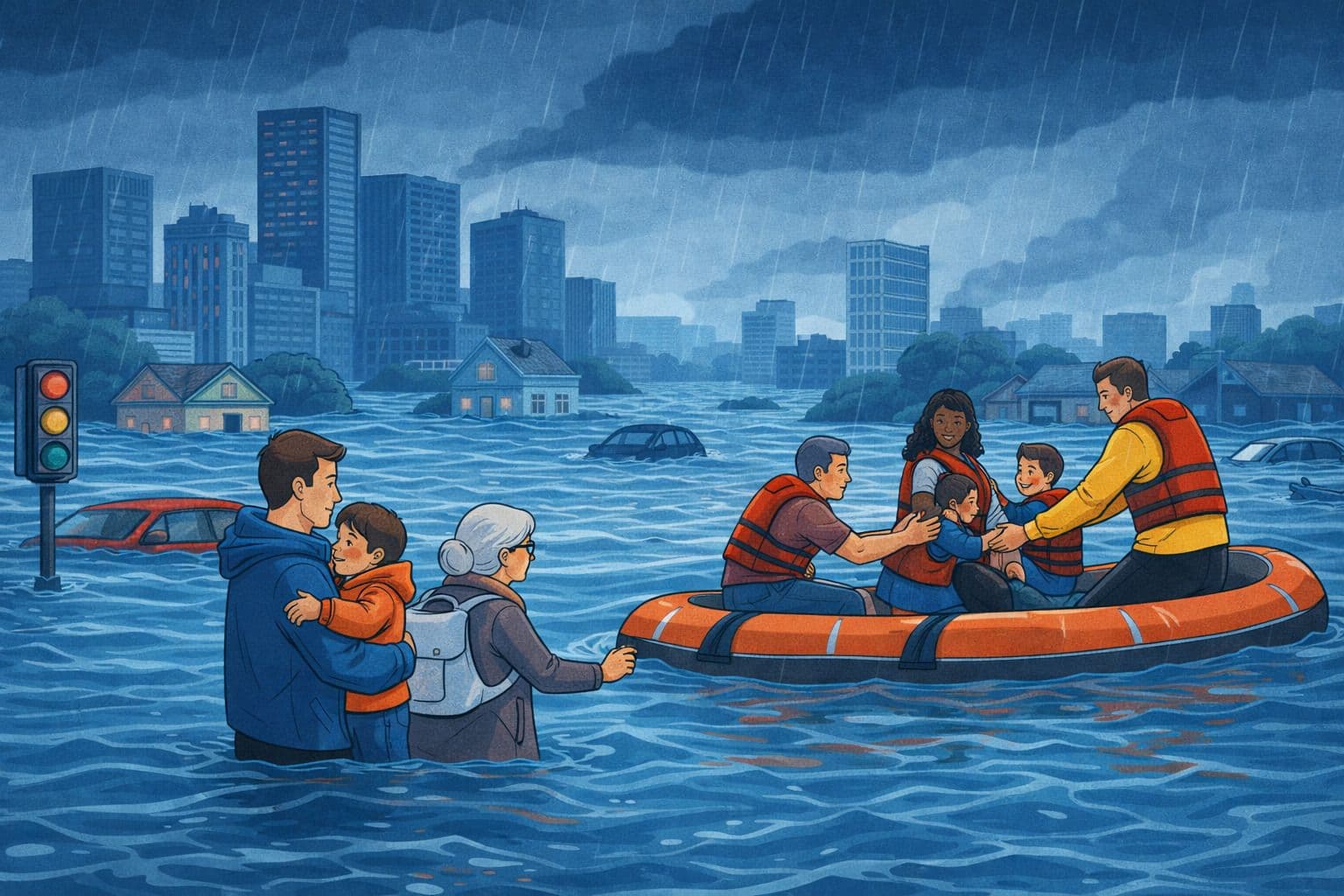
A recent study shows that rising seas will expose millions more people to flooding hazards than previously thought, affecting major coastal regions across countries including the United States, Bangladesh, India, China, Indonesia, Vietnam, the Philippines, the Netherlands, and Egypt. This expanded risk profile calls for urgent reassessment of coastal hazard planning and adaptation strategies to protect populations and critical infrastructure NPR.
-
These findings align with earlier research highlighting that sea levels are much higher than assumed in most coastal hazard assessments, which further elevates flood risk for millions globally Ground News.
-
Concurrently, studies report an increase in the frequency of heat waves that trigger damaging droughts, adding to the environmental stress on vulnerable regions and complicating adaptation efforts Ground News.
What to Watch Next
-
Monitoring how governments and urban planners integrate these updated risk assessments into coastal infrastructure development and disaster preparedness will be critical.
-
The evolution of international cooperation and funding mechanisms to support vulnerable countries in implementing adaptation and mitigation measures remains a key area of focus.
-
Further research on the combined impacts of rising sea levels and increasing heat-related droughts will be essential to inform comprehensive climate resilience strategies.
This evolving scientific understanding underscores the urgency of coordinated global and local responses to climate change impacts on coastal and drought-prone regions.