Central Development
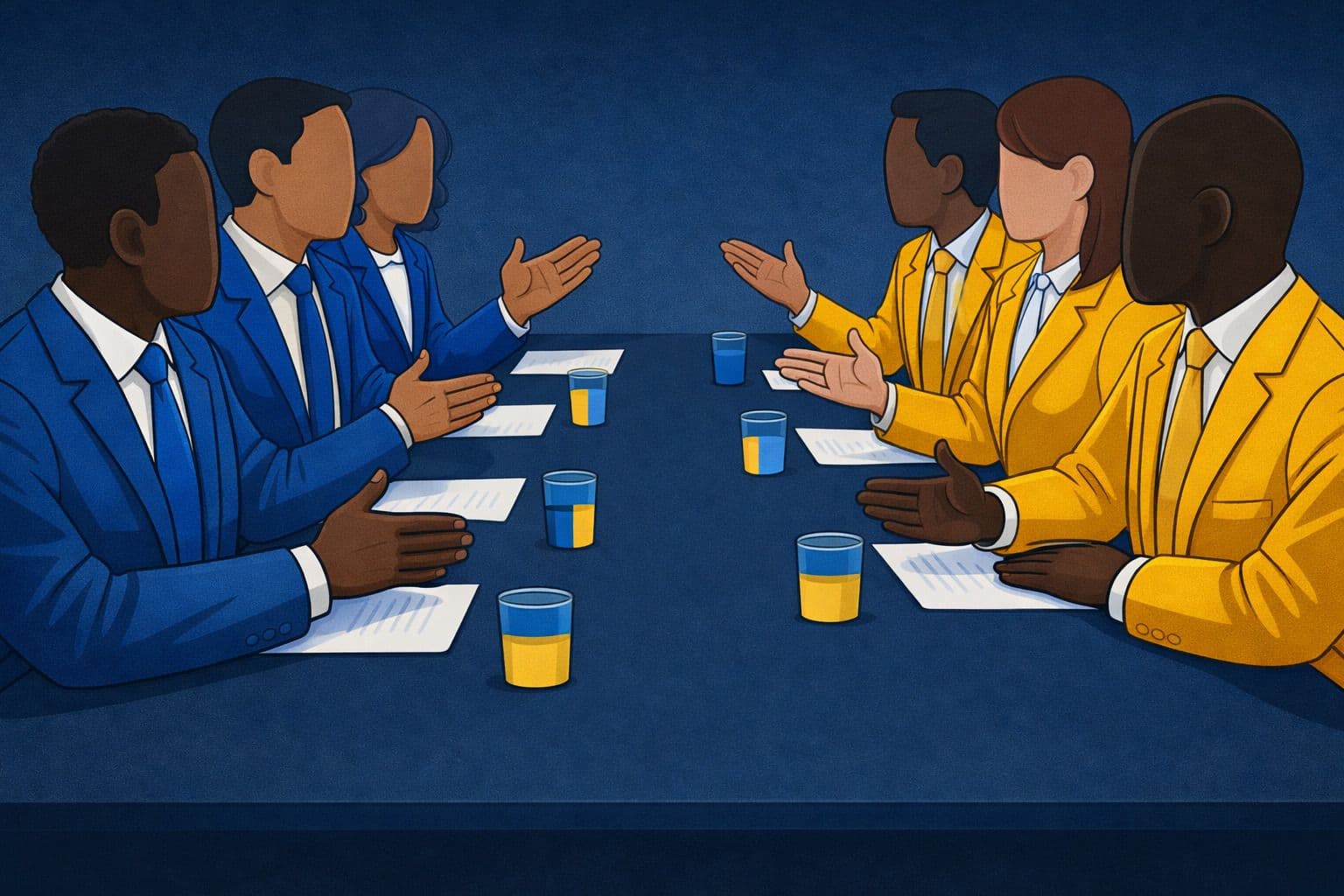
On April 25, President Donald Trump canceled a planned trip by U.S. envoys to Islamabad that was intended to leverage Pakistan’s assistance on Iran-related de-escalation, according to Axios. Earlier that day, the White House had signaled that advisers Steve Witkoff and Jared Kushner would travel to move negotiations toward a deal, and Iranian Foreign Minister Abbas Araghchi arrived in Islamabad, NPR reported. Tehran had publicly ruled out direct talks with Washington, the AP noted.
Why It Matters
The reversal halts a nascent attempt to use Pakistan as a facilitator between Washington and Tehran. It also removes a near-term venue for exploring indirect channels at a time when Iran’s refusal to engage directly narrows diplomatic options. The cancellation could complicate U.S. coordination with regional partners on Iran issues, per Axios.
Perspective
Evidence points to a same-day shift: preparations and confirmations of travel gave way to a presidential cancellation. NPR emphasizes planned participation by Witkoff and Kushner and the Iranian foreign minister’s presence in Islamabad, while Axios centers the decision to scrap the trip and its diplomatic costs. The AP underscores Tehran’s stance against direct dialogue, a constraint that helps explain the reliance on third-party facilitation.
What to Watch
Whether the White House reschedules Islamabad outreach or shifts to another venue for indirect engagement.
- Signals from Islamabad and Tehran on acceptable formats for back-channel communication.
- Any change in the U.S. envoy lineup or mandate if an alternative track is pursued.
- Regional partner moves that indicate coordination pathways after the canceled trip.