Lead Summary
The conflict centered on Iran has escalated into its second week, marked by intensified military engagements and significant geopolitical maneuvers. Iran named Mojtaba Khamenei as its new supreme leader amid ongoing hostilities, including missile attacks on Israel and Gulf states. NATO forces intercepted Iranian ballistic missiles over Turkish airspace, highlighting the risk of broader regional escalation. Concurrently, France and allied nations are preparing a defensive mission to secure the Strait of Hormuz, a vital global shipping lane. These developments have contributed to sharp increases in crude oil prices and volatility in global financial markets.
Key Developments
-
Iran officially appointed Mojtaba Khamenei as its new supreme leader on Day 10 of the conflict, coinciding with missile attacks targeting Israel and Gulf states. These attacks briefly pushed crude oil prices toward $120 per barrel, underscoring the conflict's impact on energy markets source.
-
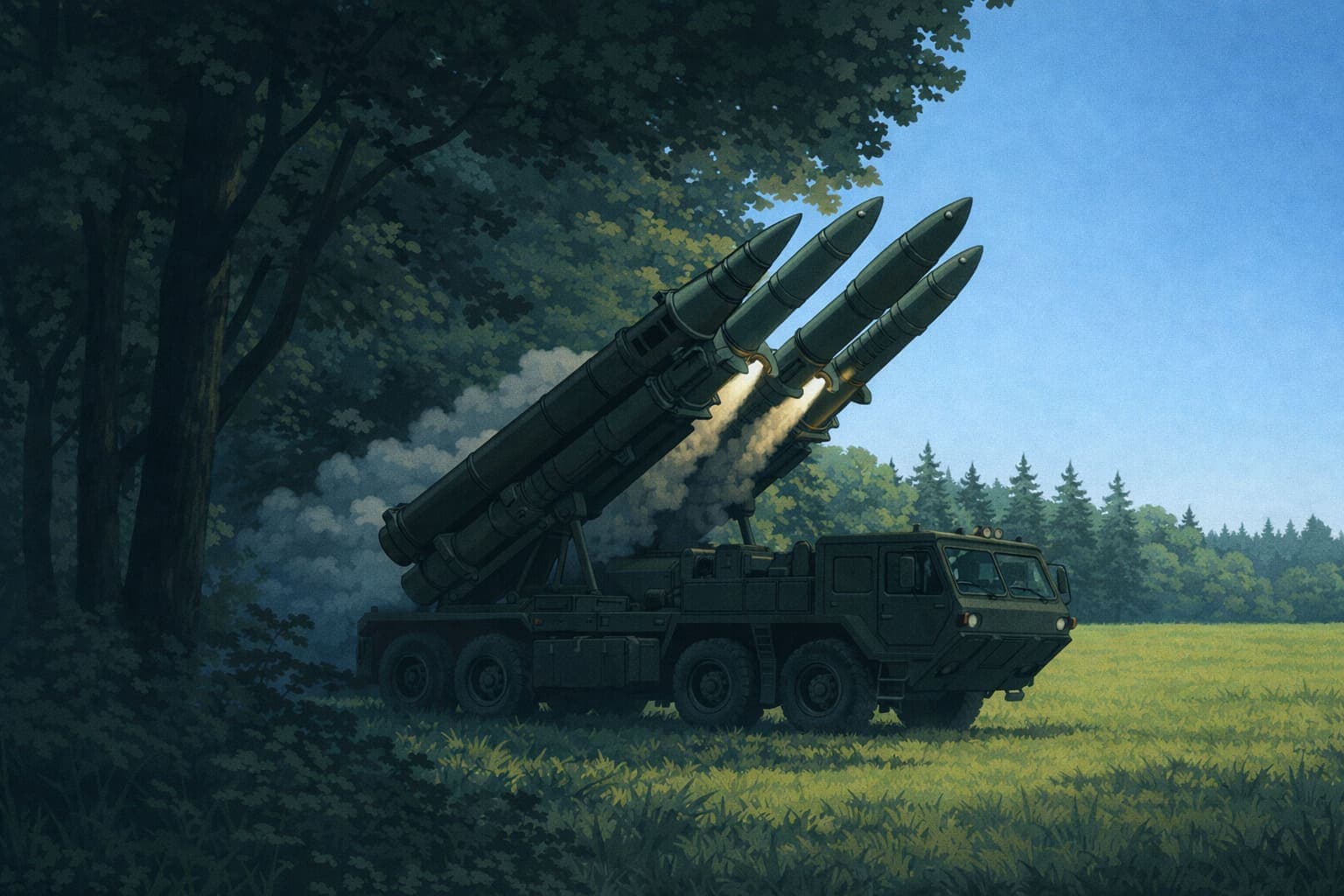
NATO air defenses, operating in Turkish airspace, shot down a second Iranian ballistic missile, signaling heightened military alertness and the potential for escalation between Iran and NATO-member Turkey source.
-
French President Emmanuel Macron announced preparations for a defensive mission with allied countries to reopen and secure the Strait of Hormuz, aiming to maintain freedom of navigation amid rising tensions in the region source.
-
Global equity markets experienced significant declines as the conflict intensified, with oil prices surging above $110 per barrel. Japan's Nikkei 225 fell over 5%, reflecting investor concerns about energy supply disruptions and geopolitical risks source.
-
Former President Trump is scheduled to hold a press conference amid the conflict's continuation, highlighting ongoing U.S. political engagement with the situation source.
What to Watch Next
-
The effectiveness and scope of the planned multinational mission to secure the Strait of Hormuz, which is critical for global oil shipments.
-
Further military actions or missile launches by Iran and corresponding NATO or allied responses, particularly in Turkish airspace.
-
Market reactions to ongoing conflict developments, especially fluctuations in oil prices and global equity indices.
-
Political statements and policy shifts from key actors including the United States, Israel, Iran, and European allies.
This briefing builds on prior coverage of the conflict's regional impact, including new fronts in Lebanon and attacks on Iranian oil infrastructure, which have shaped the evolving security and economic landscape source, source.