Lead Summary
The conflict involving Iran continues to reshape geopolitical alignments and regional security dynamics. Key international actors have expressed varied responses ranging from calls for de-escalation and dialogue to strategic support and cautious engagement. Lebanon has emerged as a significant secondary front, raising concerns about broader regional instability.
Key Developments
-
Former U.S. President Donald Trump praised Italian Prime Minister Giorgia Meloni for her willingness to support the United States and Israel in a potential conflict with Iran. This signals possible European cooperation in the evolving situation and may influence diplomatic and military strategies moving forward groundnews.
-
Pope Leo has publicly urged an immediate end to bombing and called for dialogue amid ongoing violence involving Iran and other Middle Eastern actors. His appeal emphasizes the protection of civilians and the importance of diplomatic engagement to reduce hostilities groundnews.
-
Lebanon has become an active secondary front in the conflict, with increased cross-border violence and humanitarian concerns. This development underscores the widening scope of the confrontation and its impact on regional stability NPR.
-
Switzerland’s Defence Minister stated that Iran’s recent attacks violate international law, highlighting growing international scrutiny and potential diplomatic or legal repercussions groundnews.
-
Russia is maintaining a largely hands-off approach, anticipating long-term strategic gains from Western distraction and increased influence in the Middle East energy and arms markets groundnews.
-
China’s Foreign Minister Wang Yi emphasized de-escalation and diplomacy in an annual briefing, signaling Beijing’s intent to manage tensions with the U.S. while protecting its interests amid the conflict NPR.
What to Watch Next
- The extent and nature of European involvement, particularly Italy’s role, in supporting U.S. and Israeli actions.
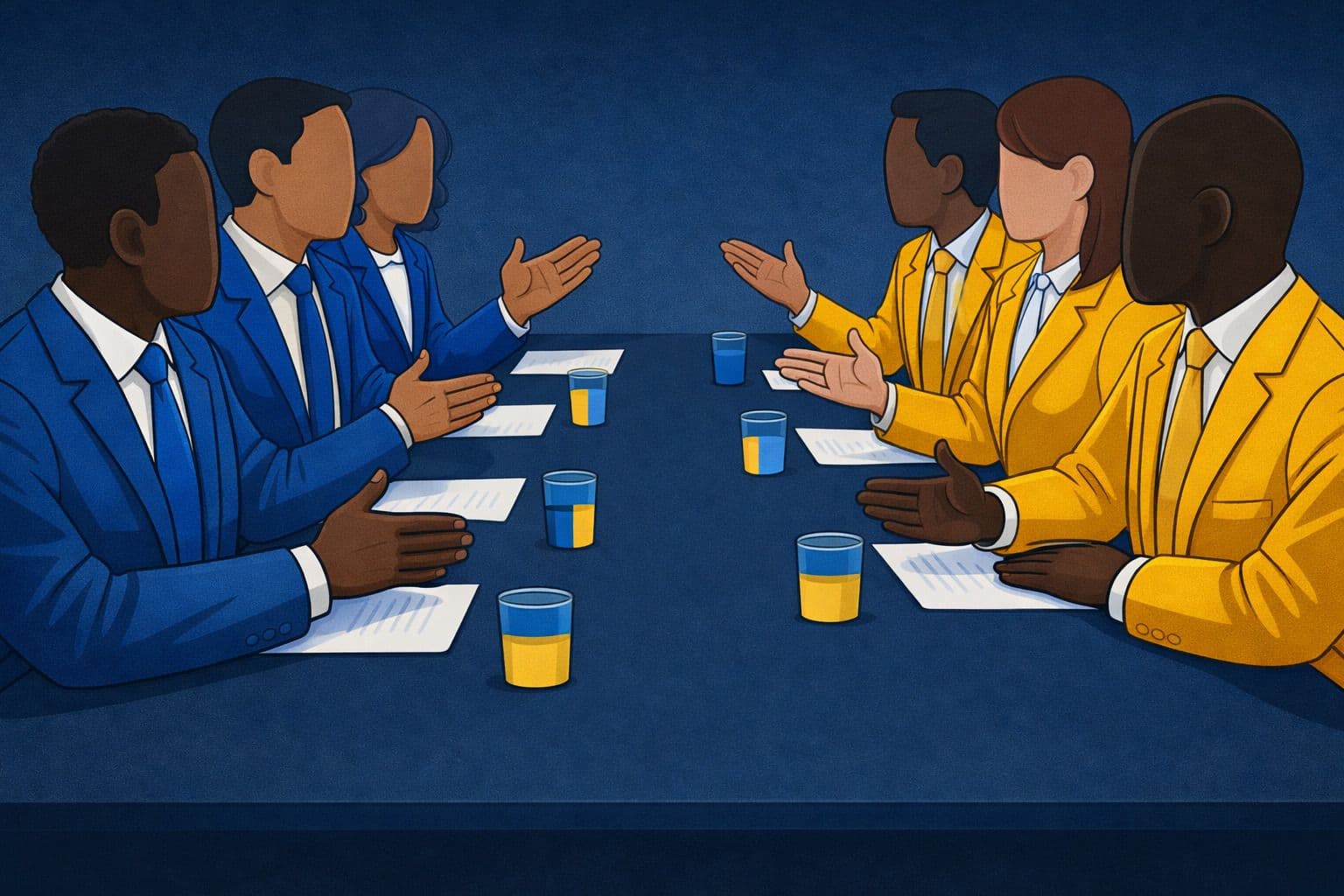
- Diplomatic efforts and international calls for ceasefire or dialogue, including potential mediation initiatives.
- Developments in Lebanon and the broader Levant region as the conflict potentially expands.
- Responses from international legal bodies or coalitions regarding alleged breaches of international law.
- Strategic moves by Russia and China as they navigate the evolving conflict landscape.
These developments continue to build on prior calls for cessation of hostilities and analyses of the conflict’s impact on global and domestic politics groundnews, NPR.