Lead Summary
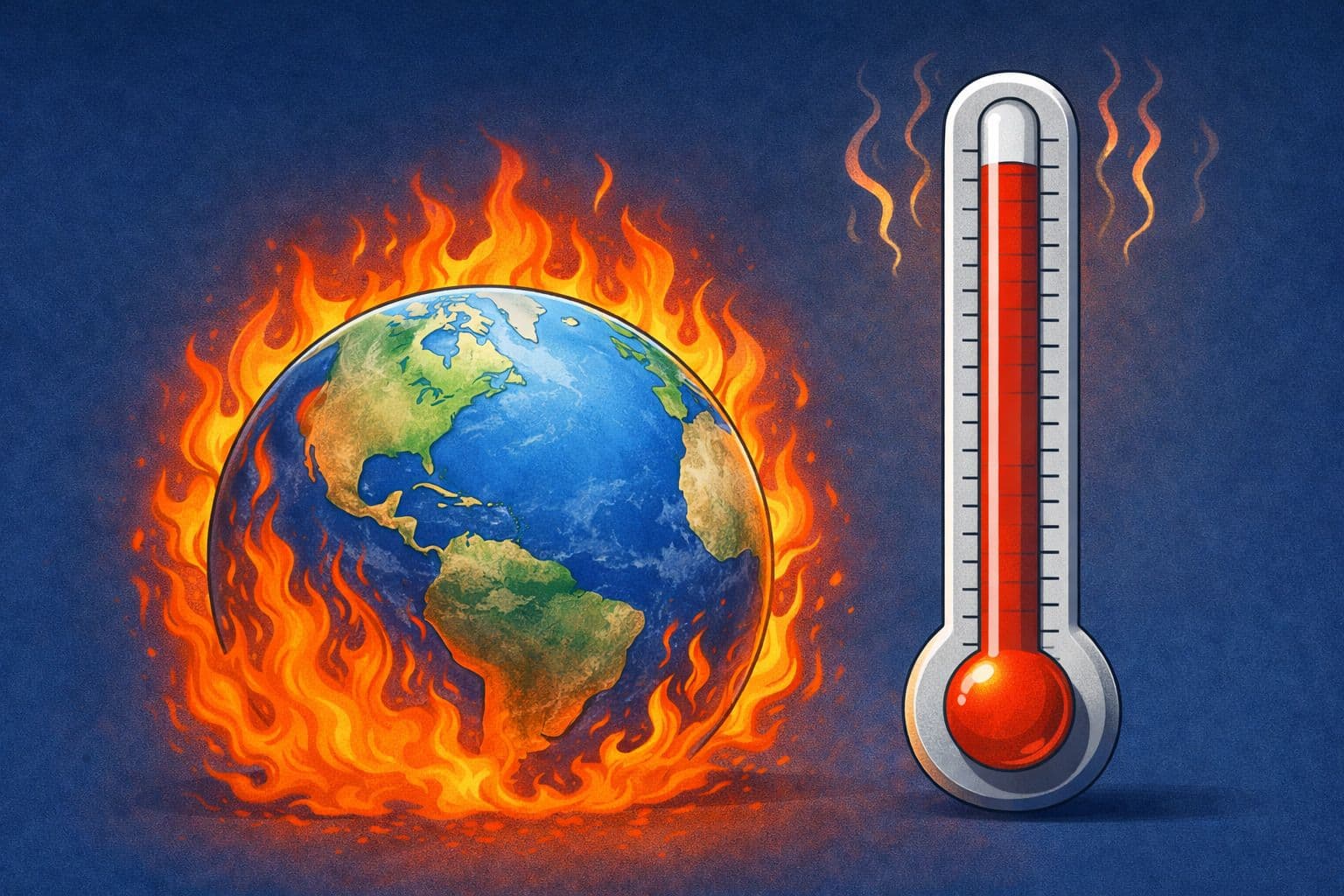
A new study has identified a significant increase in the frequency of heat waves that trigger damaging droughts, posing heightened risks to water supplies, agriculture, and ecosystems. This trend adds to mounting evidence of accelerating climate change impacts, including faster global warming and higher-than-expected sea level rise.
Key Developments
-
The study highlights that compound extreme events—where heat waves coincide with drought conditions—are becoming more common, complicating water management and climate adaptation efforts. These events threaten agricultural productivity, energy systems, and natural habitats, requiring integrated approaches across sectors source.
-
This finding builds on recent research showing that Earth’s temperature is increasing at twice the rate previously estimated, accelerating the pace of climate-related hazards globally source.
-
Additionally, studies have reported that sea levels are rising higher than assumed in most coastal hazard assessments, elevating flood risks for millions and complicating environmental resilience planning source, source.
What to Watch Next
- Monitoring the frequency and intensity of compound heat and drought events will be critical for informing water resource management and agricultural policies.
- Advances in climate adaptation strategies, including infrastructure resilience and ecosystem protection, will be essential to mitigate cascading impacts.
- Continued research on the interplay between rising temperatures, droughts, and sea level changes will guide international and local environmental planning efforts.
These interconnected climate challenges underscore the urgency for coordinated responses across environmental, agricultural, and energy sectors to safeguard vulnerable communities and ecosystems.