Lead Summary
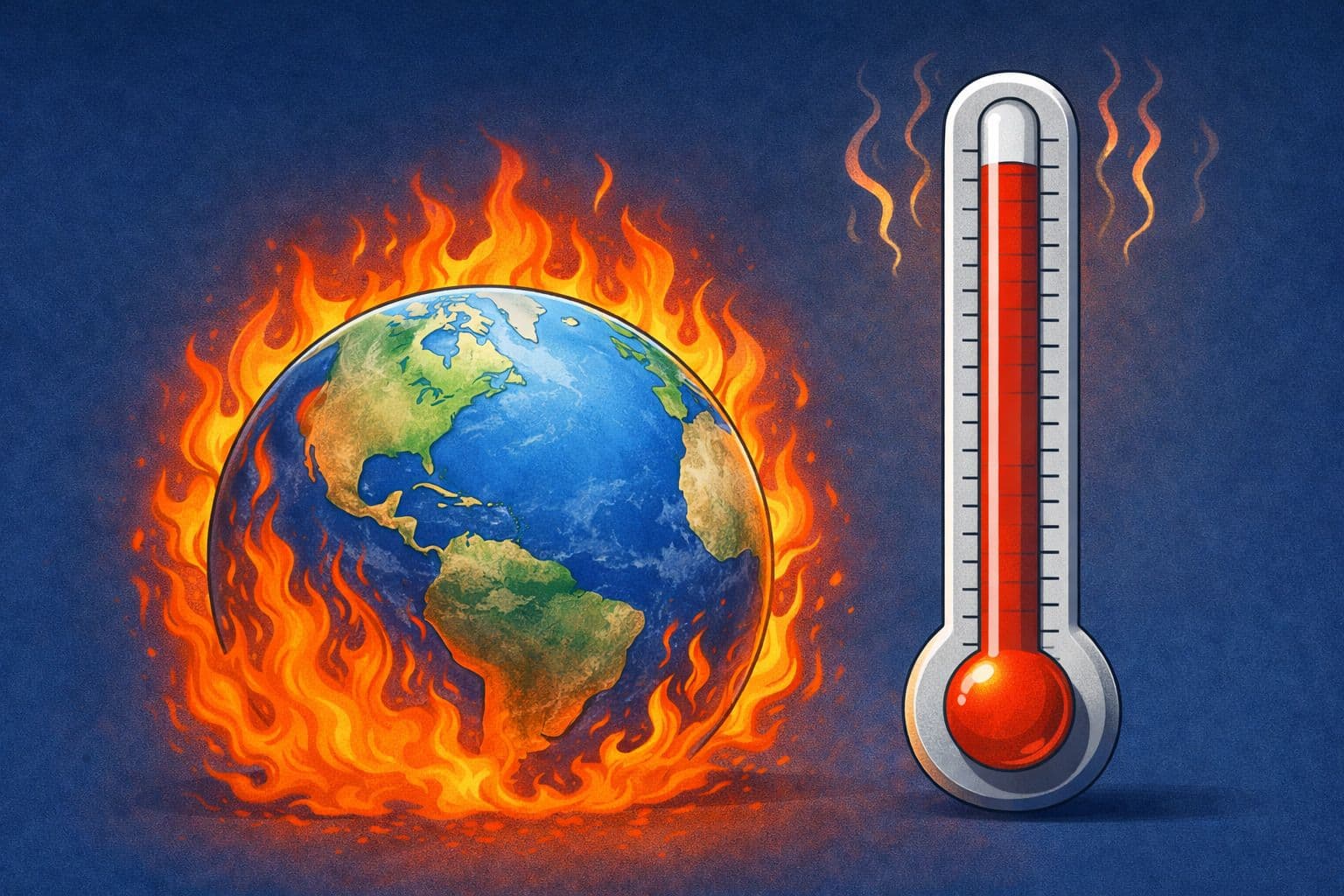
Recent scientific findings emphasize the urgency of addressing environmental changes. A new study reports that global warming is occurring at approximately twice the rate observed in previous decades, raising concerns about ecosystem stability and extreme weather events. Additionally, historical ecological research reveals that the mid-14th-century Black Death pandemic caused a prolonged decline in plant diversity, demonstrating how demographic and land-use changes can have centuries-long environmental effects.
Key Developments
-
A study indicates the Earth’s temperature is increasing about twice as fast as in earlier decades, highlighting an accelerated pace of climate change. This rapid warming poses heightened risks to agriculture, energy systems, insurance sectors, and natural ecosystems, necessitating more urgent mitigation and adaptation strategies ground.news.
-
Research into the aftermath of the Black Death pandemic reveals that plant diversity declined for centuries following the demographic shifts and altered land use triggered by the outbreak. This finding underscores the long-term ecological consequences of human population changes and land management practices ground.news.
-
These recent insights build on prior reports of sea levels rising higher than previously assumed, which increase flood risks for millions globally and challenge existing coastal hazard assessments ground.news ground.news.
What to Watch Next
- Monitoring how accelerated warming trends influence extreme weather patterns and ecosystem resilience will be critical for informing policy and disaster preparedness.
- Continued research into historical ecological changes may provide valuable lessons for managing biodiversity and land use amid current environmental pressures.
- Updates on coastal risk assessments and adaptation measures will be important as new data on sea level rise emerge.
These developments collectively highlight the complex and interconnected challenges facing the environment, emphasizing the need for integrated scientific and policy responses.