Lead Summary
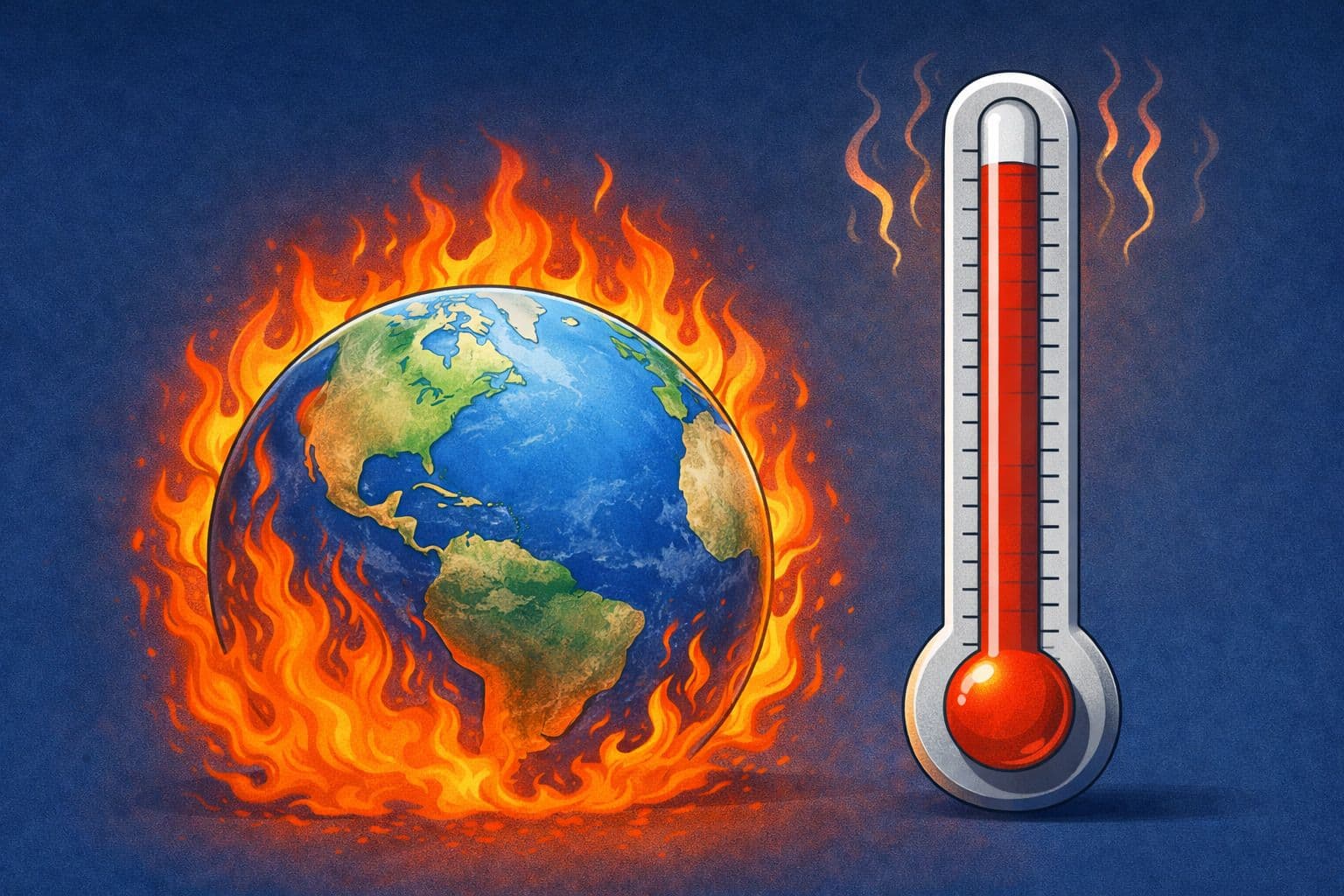
Northern lakes across regions including the United States, Canada, and parts of Northern Europe are experiencing shorter and less stable ice cover during winter months due to rising temperatures. This environmental shift is increasing risks for public safety and impacting winter recreational activities and cultural events.
Key Developments
- Many lakes that historically froze solidly in winter now have fewer days of ice cover, with more frequent freeze–thaw cycles weakening ice integrity. This trend heightens the danger of accidents such as people falling through ice, prompting a need for updated safety protocols and training for emergency responders and firefighters https://www.npr.org/2026/02/27/nx-s1-5611398/ice-winter-safety-freeze-lakes.
- In Madison, Wisconsin, the annual frozen lake festival on Lake Mendota continues to celebrate winter traditions but organizers acknowledge the growing unpredictability of ice conditions. Experts attribute the delayed formation of safe ice to climate change, raising concerns about the future viability of such community events https://www.npr.org/sections/the-picture-show/2026/02/27/g-s1-111346/madison-wisconsin-frozen-assets-festival.
- These developments follow recent research highlighting broader environmental impacts of warming, such as threats to wildlife dependent on stable ice, exemplified by emperor penguins affected during their annual moult due to ice melt https://ground.news/article/ice-melt-threatens-emperor-penguins-during-annual-moult-researchers_b87c9b.
What to Watch Next
Stakeholders including climate scientists, emergency services, and local communities will likely increase efforts to monitor ice conditions and develop adaptive strategies for safety and cultural preservation. The evolving ice patterns also underscore the broader implications of climate change on ecosystems and human activities in cold regions.