Lead Summary
The US political environment is experiencing notable changes with President Trump banning Anthropic's AI tools from federal government use, ongoing controversies over immigration enforcement and asylum policies, and escalating military tensions between Pakistan and Afghanistan. These developments reflect broader challenges in technology regulation, humanitarian concerns, and regional security.
Key Developments
-
AI Policy and Defense Contracts: President Trump has issued a directive banning the use of Anthropic's AI tools within federal government systems, mandating agencies to cease usage within six months. This move follows Anthropic's refusal to remove safety safeguards demanded by the Pentagon, putting hundreds of millions of dollars in defense contracts at risk and potentially reshaping federal AI procurement policies source source.
-
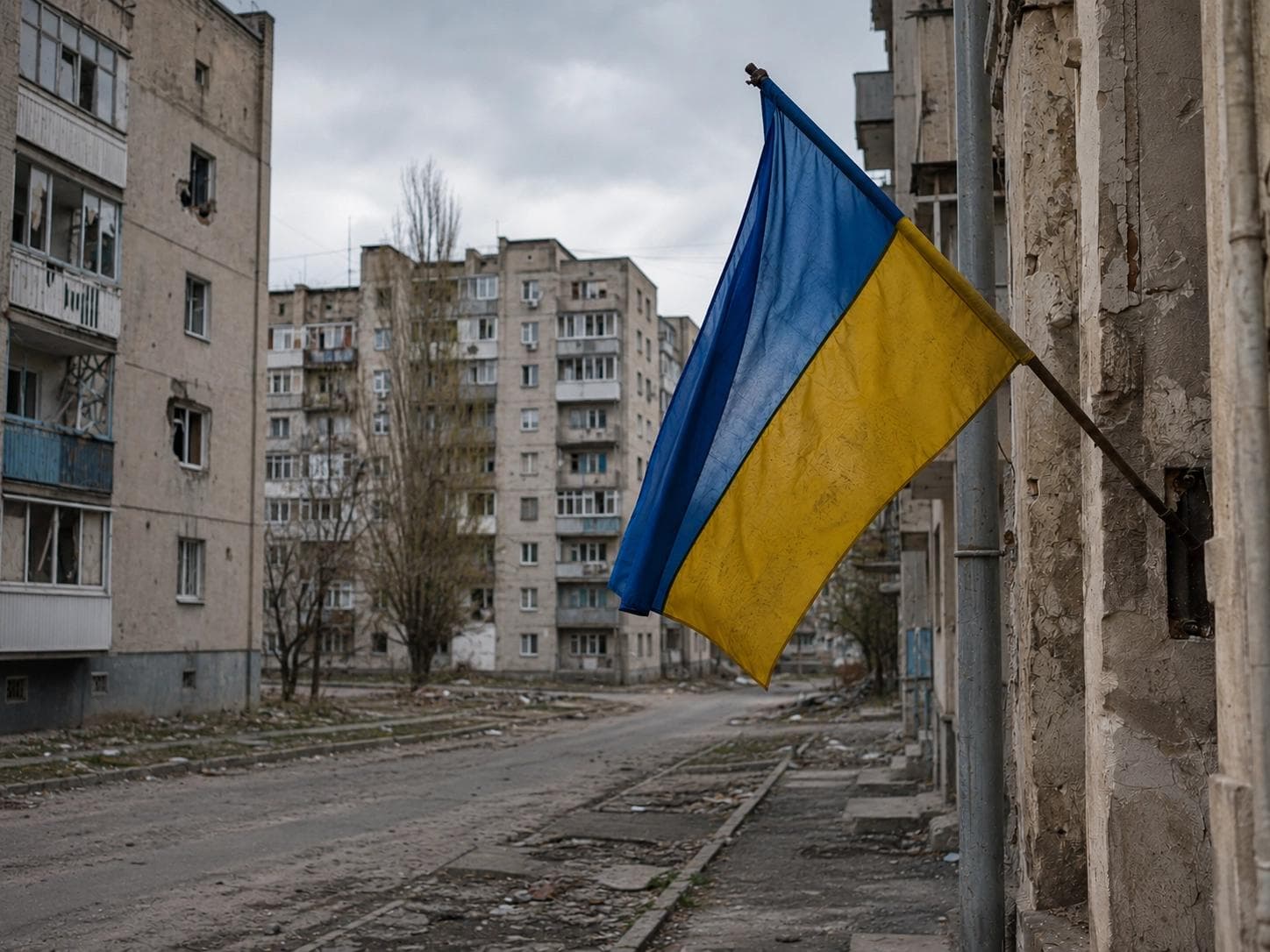
Immigration and Asylum Policy: The Trump administration's dismantling of asylum programs has led to concerns among Russian and Ukrainian migrants fearing return to conflict zones. Legal and humanitarian groups warn that these policy changes reduce protections for vulnerable populations. Concurrently, federal agencies including DHS and ICE have intensified social media campaigns highlighting arrests of immigrants, a strategy criticized for potentially conflating immigration status with criminality and raising questions about public perception and due process source source.
-
Regional Security and Military Actions: Pakistan's defense minister declared an "open war" with Afghanistan following reciprocal airstrikes after an Afghan cross-border attack, signaling a sharp escalation with potential regional instability. Additionally, US lawmakers have revealed that the military used a laser to down a Customs and Border Protection drone near El Paso, Texas, prompting inquiries into military authority and airspace management source source.
What to Watch Next
- The outcome of the Anthropic-Pentagon dispute and how it will influence future AI safety standards and government contracts.
- The impact of US immigration policy changes on asylum seekers from conflict zones and the broader political discourse surrounding immigration enforcement.
- Developments in South Asia following the escalation between Pakistan and Afghanistan, including potential diplomatic or military responses.
- Congressional and regulatory responses to the US military's engagement with domestic border security assets and implications for civil-military relations.
These interconnected issues underscore ongoing debates over technology governance, humanitarian obligations, and security priorities within and beyond US borders.