Lead Summary
Two significant environmental issues have emerged this week: a new study warns of irreversible damage to the Antarctic Peninsula if global emissions are not swiftly curtailed, and scientists express concern over lasting ecological harm following a sewage spill into the Potomac River near Washington, D.C.
Key Developments
-
A recent scientific study underscores that the Antarctic Peninsula faces potentially irreversible glaciological and ecological changes driven by ongoing warming trends. These changes could have wider implications, including rising sea levels and disruptions to ocean systems. The report stresses the necessity of rapid emissions cuts to prevent crossing critical tipping points that would lock in long-term damage ground.news.
-
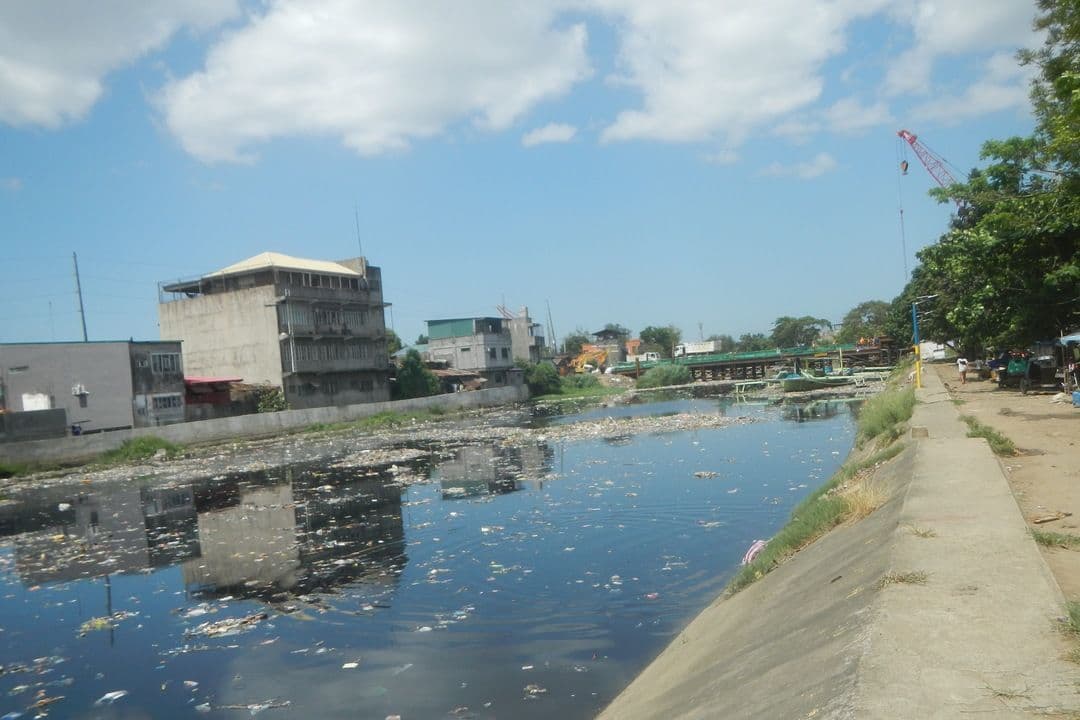
In the United States, a sewage spill into the Potomac River near Washington, D.C. has raised alarms among environmental scientists. Although drinking water supplies remain uncontaminated, experts warn that the spill could cause severe and lasting impacts on aquatic ecosystems and sediment quality. Authorities are urged to maintain rigorous monitoring, assessment, and cleanup efforts to mitigate potential long-term environmental harm npr.org.
What to Watch Next
- The international community’s response to the Antarctic study will be critical, particularly regarding commitments to emissions reductions and climate mitigation policies.
- Ongoing monitoring results from the Potomac River spill will provide insight into the extent of ecological damage and the effectiveness of remediation efforts.
- Both cases highlight the importance of integrating scientific research into environmental policy and management to address immediate and long-term ecological risks.