Lead Summary
Recent political developments highlight ongoing tensions and diplomatic efforts across multiple regions. Iran maintains a hard-line approach in nuclear negotiations with the United States, emphasizing its sovereign right to uranium enrichment. Meanwhile, the US has set a June deadline for Ukraine and Russia to reach a peace agreement, signaling intensified mediation efforts. In Europe, Italy has declined participation in former President Trump's proposed "Board of Peace" due to constitutional constraints, while Prime Minister Giorgia Meloni condemned anti-Olympics protests in Milan. Hungary's opposition leader has unveiled a controversial economic program ahead of elections.
Key Developments
-
Iran-US Nuclear Talks: Iran's top diplomat reiterated Tehran's openness to a nuclear deal but firmly rejected US demands to eliminate uranium enrichment entirely. He framed Iran's power as stemming from its ability to say "no" in negotiations, indicating a tough stance that may complicate diplomatic progress source.
-
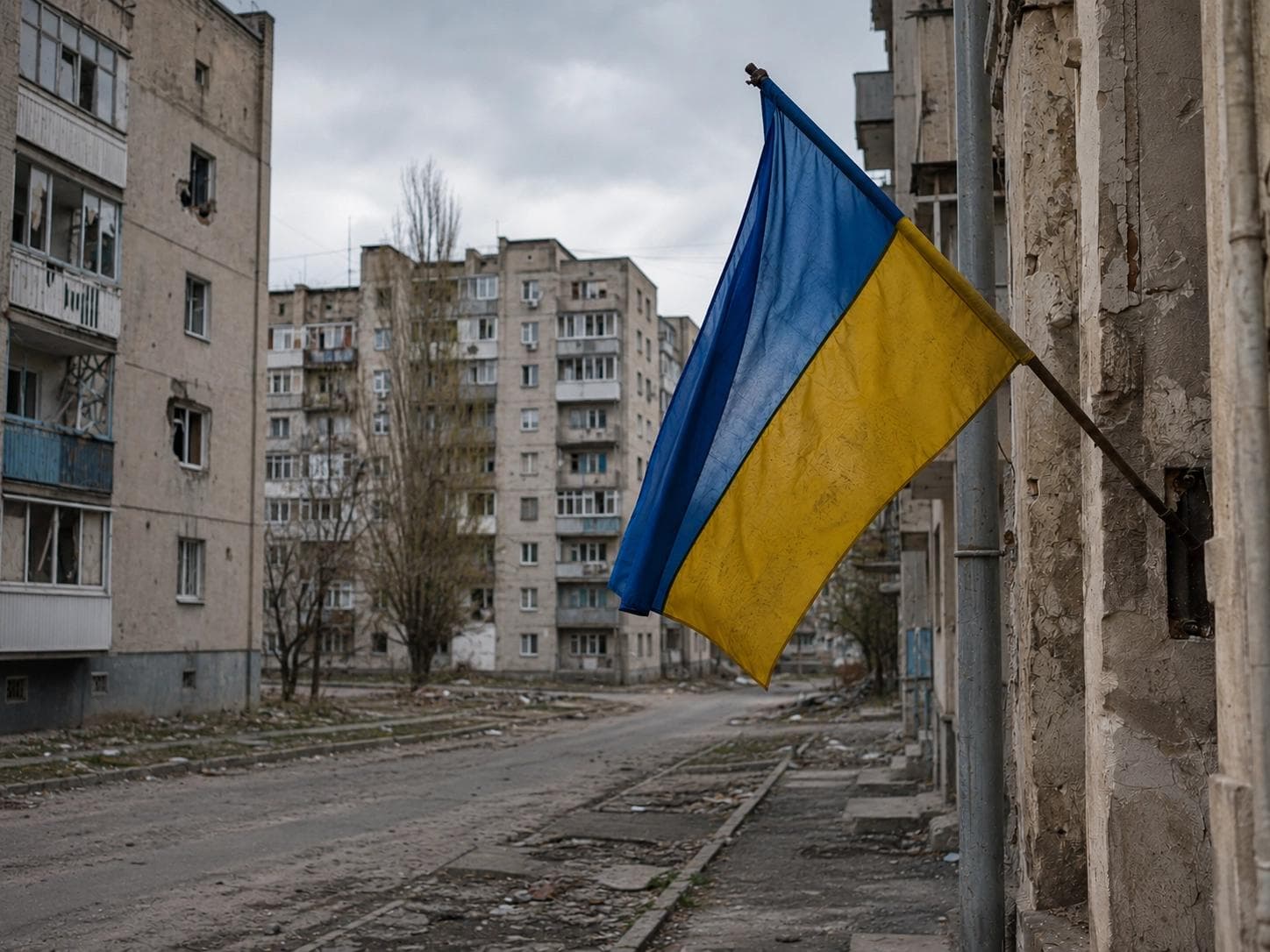
Ukraine-Russia Peace Deadline: Ukrainian President Volodymyr Zelenskyy announced that the United States has proposed a June deadline for Ukraine and Russia to finalize a peace agreement. This timeline reflects accelerated US mediation efforts, though details on terms and Russia's response remain undisclosed source.
-
Italy and Trump's Board of Peace: Italy's Foreign Minister ruled out joining former US President Donald Trump's "Board of Peace," citing constitutional limitations on involvement with such initiatives linked to foreign political figures source.
-
Anti-Olympics Protests in Milan: Italian Prime Minister Giorgia Meloni condemned recent protests against the upcoming Olympic events in Milan, labeling demonstrators as "enemies of Italy" and signaling a firm government stance against disruptions source.
-
Hungary's Opposition Economic Program: Ahead of elections, opposition leader Peter Magyar proposed a wealth tax and euro adoption among other economic measures. These proposals have sparked debate regarding their feasibility and political impact source.
What to Watch Next
- Progress and potential breakthroughs or setbacks in Iran-US nuclear negotiations, especially regarding uranium enrichment rights.
- Developments in Ukraine-Russia peace talks as the June deadline approaches, including responses from Russia and international stakeholders.
- Italy's domestic political response to Olympic-related protests and broader implications for public order.
- The impact of Hungary's opposition economic proposals on voter sentiment and election outcomes.
This evolving political landscape will continue to shape diplomatic relations and domestic policies across these regions.