Key Developments
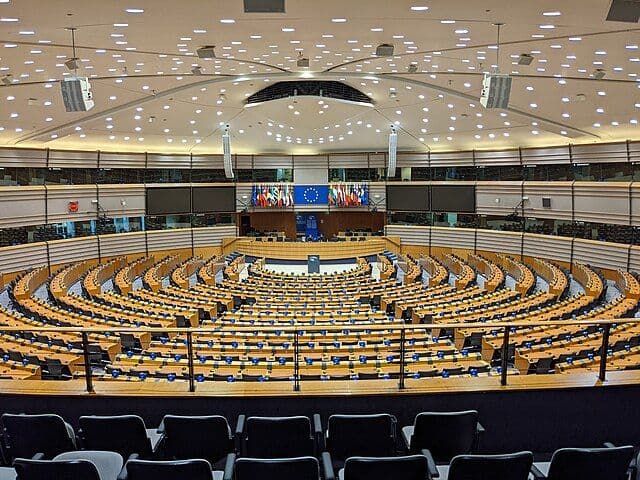
On 22 April 2026, the European Parliament submitted a written question asking the European Commission to re-examine EU humanitarian funding for the West Bank, Gaza and Lebanon, citing accountability concerns and alignment with EU goals, according to the European Parliament. The query came amid OCHA reporting an escalation of hostilities in Lebanon as of 20 April 2026.
Key Statistics
- EUR 458 million in EU humanitarian aid referenced for West Bank, Gaza and Lebanon
- EUR 124 million designated for West Bank and Gaza referenced
- EUR 100 million designated for Lebanon referenced
- Historical: EUR 1.6 billion EU support programme for Palestinians cited by the Commission
Main Body
On 22 April 2026, the European Parliament asked the European Commission to re-examine EU humanitarian funding for the West Bank, Gaza and Lebanon, highlighting accountability risks and the need to ensure recipients align with EU objectives, the European Parliament said. The question referenced EUR 458 million in aid, including EUR 124 million for the West Bank and Gaza and EUR 100 million for Lebanon. The move came as OCHA reported an escalation of hostilities in Lebanon as of 20 April 2026.
The written question sought details on what steps the Commission was taking to ensure funding supports entities consistent with EU goals, noting recent changes by some Member States to NGO funding in the Israeli Palestinian context, according to the European Parliament. It focused on oversight and safeguards to address concerns about potential links to anti-democratic activities.
This followed a 16 April 2026 question that pressed for transparency on the same funding envelopes and safeguards against diversion to groups such as Hamas and Hezbollah, the European Parliament noted. Separately, on 20 April 2026 the European Commission highlighted continued EU backing for the Palestinian Authority and the Gaza Peace Plan, citing a EUR 1.6 billion support programme.
The parliamentary scrutiny mattered for how EU humanitarian funds were vetted and disbursed in volatile settings, shaping partner selection and compliance requirements. It also intersected with EU diplomatic priorities on the Two-State Solution, as set out by the European Commission, while the situation in Lebanon underscored the urgency of effective oversight, according to OCHA.