Key Developments
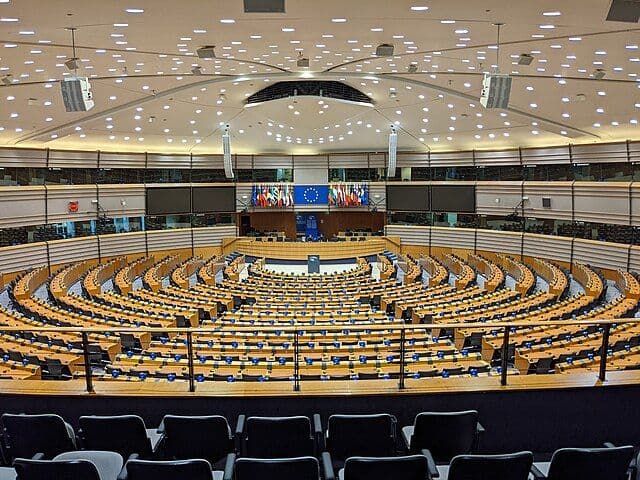
On 18 May 2026, a written question asked the European Commission to explain how a European enterprise lost a €320 million EU-funded Dakar public transport contract to a Chinese state-backed company and which actions it may take, according to the European Parliament. The query coincided with an EP plenary week that included investment screening, the European Parliament said.
Key Statistics
- €320 million value of the Dakar public transport contract cited in the European Parliament question
- Comparative: €30 million minimum per investment under the Armenia strategic investment call, according to the European Commission
- Comparative: 27,300 new jobs projected under the Armenia initiative, the European Commission said
Main Body
On 18 May 2026, the European Parliament published a written question about a European enterprise losing a €320 million EU-funded public transport contract in Dakar to a Chinese state-backed company. The question asked the European Commission to detail the implications of this outcome and to indicate any steps it may take in response.
In parallel to the inquiry, the European Commission on 18 May 2026 issued a prior information notice for a call for tenders to procure data for My Trade Assistant for services and investment, focused on exports of services and investment. Separately, the European Parliament and an earlier EP notice said the 18 to 21 May plenary would address foreign investment screening among other items, framing the broader policy backdrop for the question.
For continuity, on 5 May 2026 the European Commission launched a Call for Expressions of Interest to deepen its partnership with Armenia through strategic investments in transport, energy and digital. The Commission said the call set a minimum €30 million per investment and cited projected results including 27,300 new jobs and €232 million in additional income.
The Dakar case placed scrutiny on how EU-financed projects are awarded and underscored competitive pressures from state-backed non-EU firms in third-country tenders. It also aligned with ongoing EU discussions on safeguarding economic security tools such as investment screening, as outlined in European Parliament plenary planning, while the Commission progressed initiatives to strengthen transparency in services and investment data and to advance external partnerships.