Key Developments
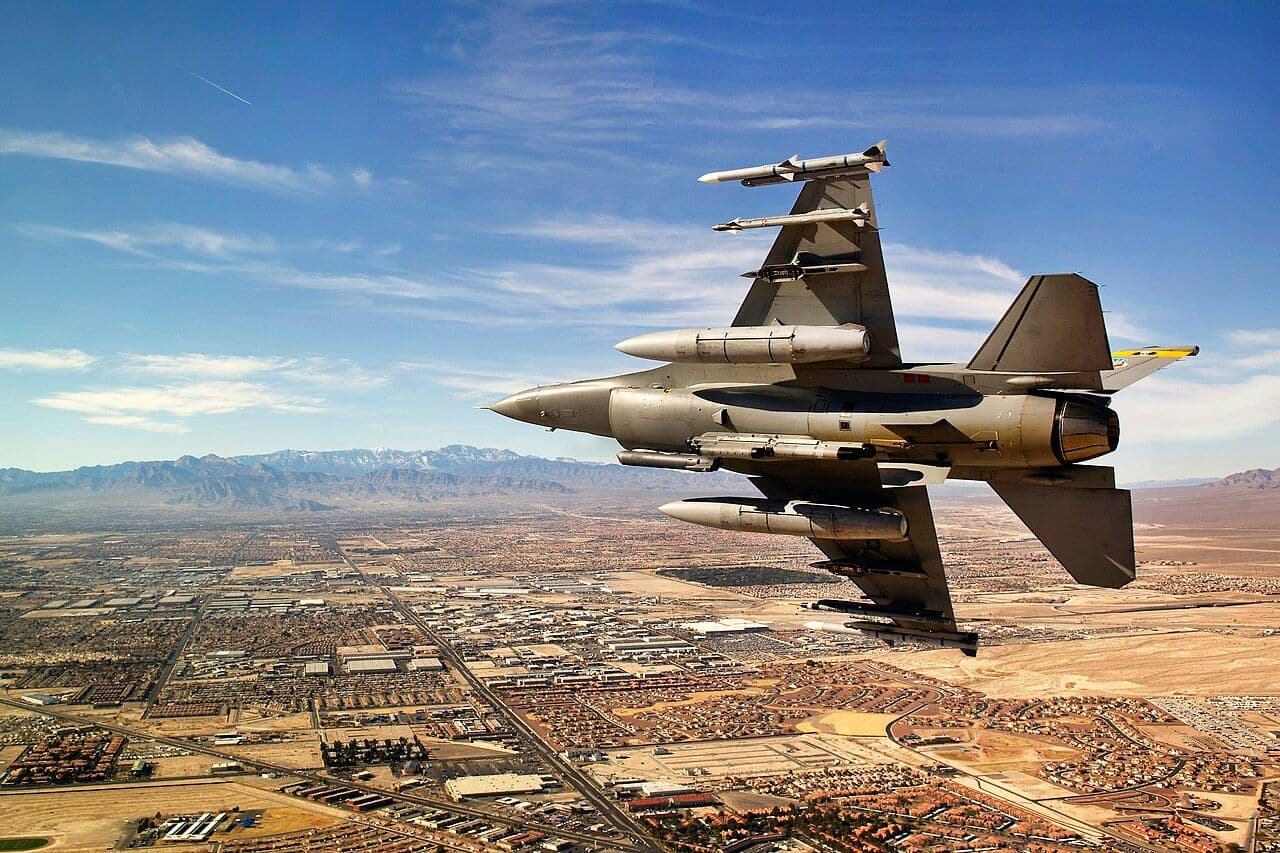
On 28 April 2026, the Bundeswehr said the German Air Force exercised Dispersed Operations at civilian airports to sustain flight activity in crises, integrate with civil infrastructure, and complicate adversary targeting.
Key Statistics
- 5 Eurofighter jets operated from a civilian airport in Lübeck during a prior Dispersed Operations drill, according to the Bundeswehr (historical comparison)
- About 4,000 participants from 41 nations took part in NATO’s Locked Shields cyber defense exercise, the Bundeswehr said (historical context)
Main Body
On 28 April 2026, the Bundeswehr stated that the German Air Force had trained to conduct Dispersed Operations from civilian airports. The drills were designed to keep fighter operations viable if primary bases were disrupted, to integrate military activity with civilian infrastructure, and to make targeting more difficult for an adversary, according to the service.
Operationally, the Bundeswehr said the training focused on coordinating aircraft movements and support functions with airport operators and air traffic services to enable landing, refueling, and rapid turnarounds at non-military airfields. The force has also emphasized compliance with environmental standards during exercises, with dedicated personnel overseeing waste handling and disposal during training in Lithuania, as the Bundeswehr reported on 28 April 2026.
The approach built on recent practice. On 23 April 2026, the Bundeswehr reported a Dispersed Operations drill in Lübeck that used five Eurofighter jets at a civilian airport to strengthen flexibility and resilience. On 24 April 2026, the Bundeswehr also highlighted participation in NATO’s Locked Shields cyber exercise involving about 4,000 participants from 41 nations, underscoring a broader readiness posture across physical and digital domains.
The drills supported alliance-wide resilience goals. On 23 April 2026, a NATO Parliamentary Assembly delegation visit to Estonia and Finland emphasized deterrence, critical infrastructure protection, and coordinated responses to hybrid pressures. Practicing dispersal at civilian airfields aligned with these priorities by increasing survivability, preserving sortie generation under stress, and demonstrating civil-military interoperability that is relevant for national defense and NATO operations.