Central Development
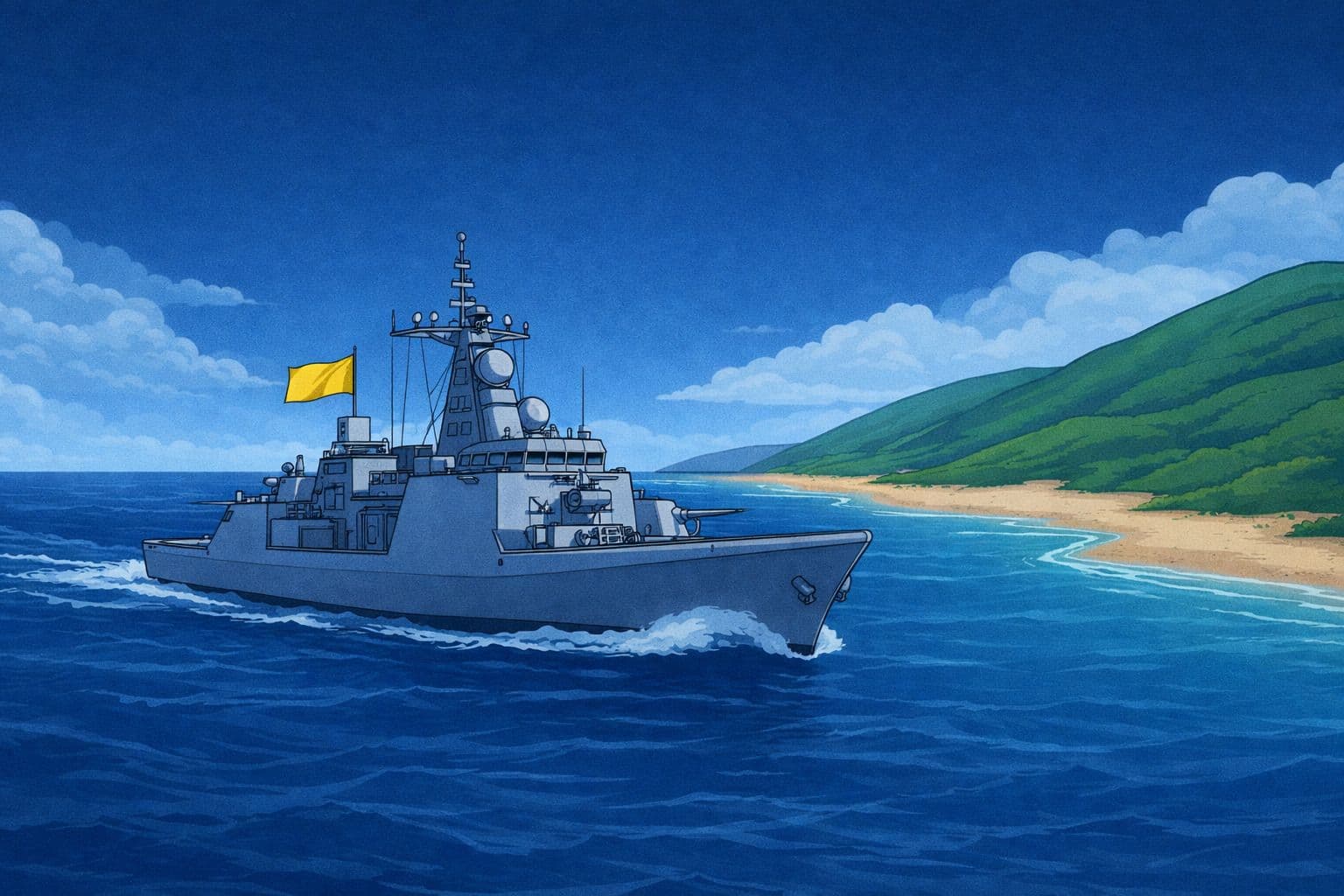
Two vessels were attacked in the Strait of Hormuz on April 22, with the identities of the attackers and the extent of damage not immediately clear, according to NPR. The incident came hours after President Trump extended a ceasefire with Iran, NPR reported.
Why It Matters
The Strait of Hormuz is a critical chokepoint for global energy flows. Disruptions or credible threats can alter routing, freight rates, and market sentiment. An analysis by the Center for Strategic and International Studies underscores how shifts in shipping routes ripple through energy and financial markets. Compounding physical risk, Ars Technica reported that maritime risk firm MARISKS warned of a crypto scam in which actors posed as Iranian authorities to solicit “transit fees,” and that at least one vessel later fired upon may have believed it had paid for safe passage.
Perspective
Key facts remain unsettled: who carried out the April 22 attacks and how much damage was sustained, per NPR. The timing relative to a ceasefire extension adds political sensitivity, but it does not, on its own, clarify attribution. Separately, NPR noted that U.S. and Iranian officials failed to meet in Pakistan for talks aimed at ending the war, a diplomatic gap that may complicate efforts to de-escalate maritime risks. The reported scam highlights how cyber-enabled fraud can intersect with kinetic threats to increase uncertainty for ship operators.
What to Watch
Official identification of the attackers and flag-state or operator incident reports clarifying damage and tactics.
- Updated advisories from maritime security firms on spoofing and payment scams, and any law-enforcement action against perpetrators.
- Signals on whether U.S.–Iran talks are rescheduled and whether maritime security postures adjust as a result.
- Changes in routing, port calls, or insurance terms that indicate risk repricing for Hormuz transits, consistent with CSIS’s market-impact framing.