Lead Summary
Recent reports underscore the persistent environmental challenges affecting multiple sectors. While the U.S. saw fewer natural disasters in 2025, the financial impact on home insurance remains significant. Concurrently, marine biologists continue to investigate recurring gray whale die-offs, and new research reveals that millions more people are at risk from rising sea levels than previously estimated.
Key Developments
-
Home Insurance and Natural Disasters: Despite a relative decline in natural disasters in 2025, insured losses in the U.S. exceeded $100 billion, marking the fourth year in five with such high costs. Industry experts caution that the increasing financial toll from extreme weather and climate change will likely slow any reduction in homeowner insurance rates, reflecting ongoing risk concerns for insurers and homeowners alike NPR.
-
Gray Whale Mortality: Scientists are examining the causes behind repeated mass die-offs of gray whales, which have occurred in waves since 1999–2000 and most recently from 2019 onward. Research focuses on environmental stressors and ecological changes affecting the species, with implications for conservation strategies in the U.S., Canada, and Mexico NPR.
-
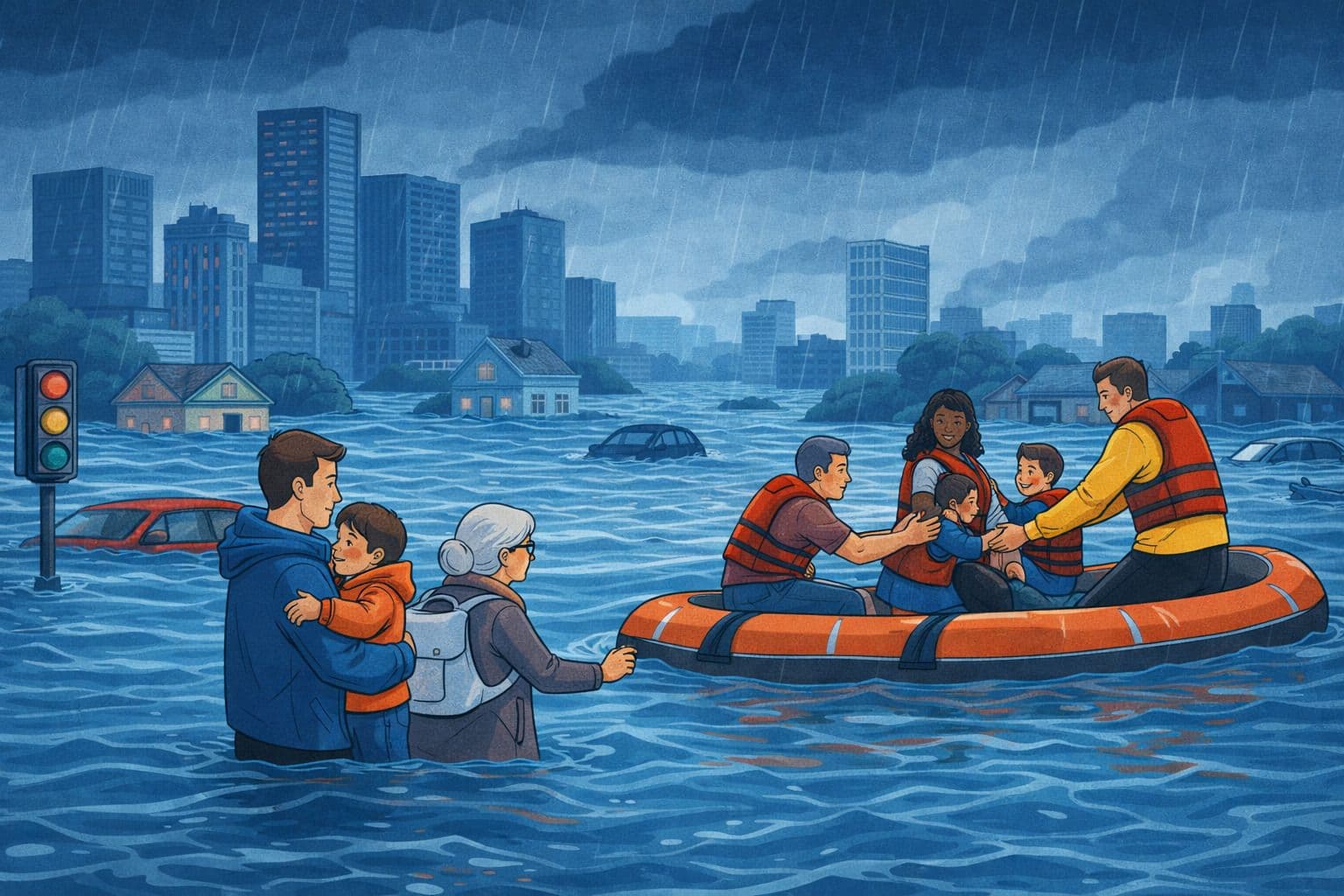
Rising Sea Levels and Population Risk: A recent study updates previous estimates, indicating that millions more people worldwide are vulnerable to the impacts of rising seas due to climate change. This expanded risk assessment highlights the urgency for coastal adaptation and mitigation efforts NPR.
What to Watch Next
Stakeholders across insurance, environmental science, and urban planning sectors will be monitoring how these trends influence policy and investment decisions. The insurance industry’s response to sustained climate risks, ongoing research into marine species health, and coastal resilience initiatives will be critical areas to follow in the coming months.